Vasai-Virar Culture Guide
Table of Contents
Vasai-Virar Traditions & Culture: Show Up Right
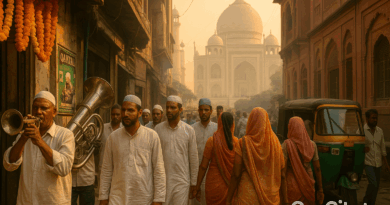
Vasai-Virar flows between old coastal villages and fast-growing suburbs. On one side you’ve got centuries-old churches near Vasai Fort and koli (fishing) customs at Arnala and Rangaon. On the other, you’ve got Jivdani Mata devotees climbing at dawn in Virar East, dargah qawwali nights in Nala Sopara, and loud, joyous Navratri garba at Evershine City and Papdi. Locals know when to stand back during aarti, where to keep footwear, and how to move with the bheed (crowd) without stepping on someone’s ritual moment. First-timers often reach at peak time, carry the wrong offerings, or block a procession with a raised phone. This guide fixes that. It’s friendly, local, and practical—so you can participate with confidence.
🪔 Why This Culture Guide Works for Vasai-Virar
Here’s the thing: culture in Vasai-Virar is layered—Agri-Koli traditions along the coast (Arnala, Rajodi, Kalamb, Navapur), strong Hindu temple circuits (Jivdani Hill, Agashi, Chandansar), historic Catholic parishes (Manickpur, Papdi, Bhabola) with midnight masses and parish feasts, thriving Muslim neighborhoods (Achole, Dhumal Nagar, Sopara) with milad, iftar, and urs, plus Jain derasars and gurdwaras in new townships (Virar West, Vasai East, Waliv–Sativali belt). We keep it simple:
-
Clarity: What to bring, when to arrive (e.g., “reach by 05:45 for first aarti”), how queues work, and what not to do.
-
Scripts: Quick, polite lines in everyday Hinglish/Marathi so you can ask without hesitation.
-
Seasons: Monsoon + beach processions = slushy roads; summer = hot flooring; winter = breezy night vigils.
-
Safety without fuss: Best viewing spots for families and seniors, exit plans, and late-night commute choices.
-
Local flavor: Neighborhood name-drops so you’re not wandering blind (Vasai Road, Naigaon East, Bolinj Naka, Pelhar, Dongri, Narangi, Sopara, Agashi, Arnala).
🪔 Festival Calendar: What Happens When (Jan–Dec)
City Highlights Month by Month
Reminder: Exact timings vary by temple/church/dargah. For big days, check the official noticeboard/app or parish bulletin. Western Railway locals get packed—plan buffers around Virar and Vasai Road.
-
January: Makar Sankranti til-gur exchanges; parish feasts in Manickpur/Papdi belts; kites along Rajodi–Kalamb stretch; morning aartis at local mandirs in Agashi and Chandansar.
-
February: Maha Shivratri night-long darshan at Shiva shrines (Sativali–Waliv side); coastal fishermen offer coconuts before spring trips; some parishes host novenas and feasts.
-
March: Holika Dahan in Virar West pockets; Holi color play kept away from temples/churches; Ramzan may start—iftar lanes bloom near Achole and Sopara markets.
-
April: Ram Navami bhajans; Good Friday processions and Easter Vigil in Bhabola, Papdi; Ramzan iftar stalls (18:30–19:30 band shifts seasonally).
-
May: Buddha Purnima nod to ancient Shurparaka (Sopara) heritage; quieter parish activities; heat management becomes key for darshan lines.
-
June: Monsoon sets in; Rath Yatra at many Jagannath mandirs; beach processions scaled to weather; VVMC advisories possible near Arnala jetty and causeway.
-
July: Ashadhi Ekadashi wari bhajans; Muharram processions (be respectful, keep distance from tazias); shravan Mondays at Shiva temples.
-
August: Narali Purnima boat puja at Arnala, Rangaon—fisherfolk offer coconuts; Independence Day cultural shows; Onam sadhya in Malayali homes/clubs.
-
September: Ganeshotsav pandals at Evershine City, Ambadi Road, Virar Nagar, Bolinj; visarjan routes to creeks/beaches; avoid 18:00–22:00 surges.
-
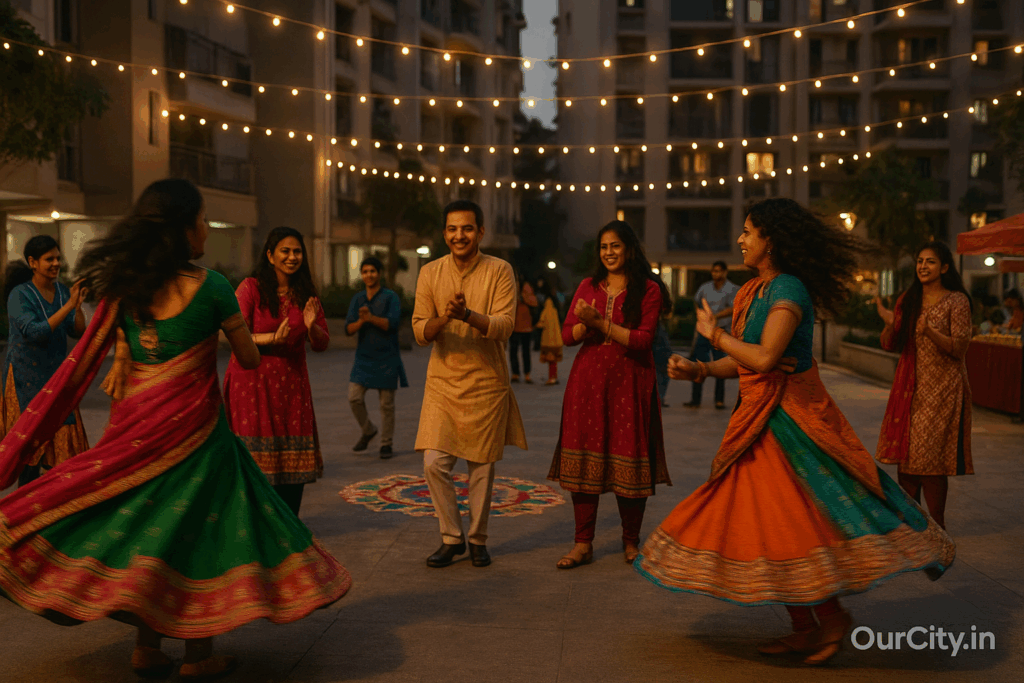
October: Navratri garba (Papdi, Virar West, Global City grounds); Jivdani Mata yatra—earliest climbs are gentlest; Dussehra shami puja; Milad-un-Nabi gatherings.
-
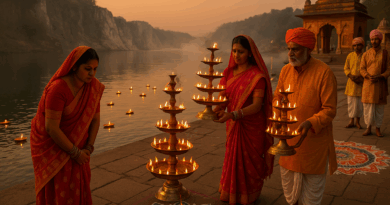
November: Diwali (diyas at thresholds; aarti at home and mandir); Chhath Puja at lakes/beaches (check Kalamb/Navapur barricades); Guruparab at gurdwaras.
-
December: Christmas midnight Mass at Manickpur, Papdi, Bhabola; New Year vigils; kolam/rangoli outside homes; community carols in old gaothans.
Where to Go & When to Arrive (Time Cues)
-
First aarti slots: 05:45–07:15 (temples); reach 30–45 min early on big tithis.
-
Evening aarti: 18:30–19:30 typical; avoid 18:00–20:00 surge at popular shrines.
-
Mass: Sunday morning 06:00–10:00 bands; Midnight Mass (24:00) draws huge crowds—arrive by 23:00 at Manickpur/Papdi.
-
Iftar: 15–30 minutes around sunset; be mindful of prayer times; avoid blocking mosque gates in Achole/Sopara.
-
Visarjan: Late evenings; best family viewing from barricaded edges near Arnala approach and Bolinj Naka—keep exits clear.
Family-, Senior-, and Child-Friendly Tips
-
Choose edge spots near police/volunteer posts (Ambadi Road junctions, Virar Phata, Vasai Road skywalk exits).
-
For seniors: early morning darshan at Agashi, Narangi mandirs; avoid stair-heavy sites at peak. Jivdani has a long stairway—start pre-sunrise or visit on quieter weekdays.
-
For kids: carry earplugs (dhols get loud), write a contact number on a paper tucked in the pocket, set a simple meet-up point (“under the skywalk, Vasai Road East”).
🪔 Sacred Spaces Etiquette (Temples • Gurdwaras • Dargahs/Mosques • Churches • Ghats/Beaches)
Temples in Vasai East–Waliv, Agashi, Virar East, parish churches near Vasai Fort–Bassein, mosques/dargahs around Sopara–Achole, gurdwaras in newer colonies—all welcome visitors. The cues are simple: modest dress, quiet respect, don’t block ritual lines, ask before photos, and keep phones low.
What to Wear & Carry
-
Dress: Covered shoulders/knees. Light cottons in heat; a shawl/dupatta for head-cover if needed.
-
Footwear: Easy-to-remove sandals; carry thin socks for hot or wet floors (monsoon).
-
Carry: Small scarf, refillable bottle, hanky, wet wipes, ORS sachet (Apr–Jun), a small cloth bag for prasad/offerings.
-
Monsoon hack: Non-slip footwear for Vasai Fort stones and Arnala causeway; plastic covers for flowers/prasad.
Offerings/Prasad/Chadar: Ranges & Rules
-
Flowers: ₹20–100 (marigold/lotus/rose garlands).
-
Prasad: ₹20–60 (laddoo, pedha, coconut).
-
Oil/ghee packs: ₹50–200 (for deepas).
-
Chadar at dargah: ₹200–600 (simple fabric is fine).
-
Candles at churches: ₹10–30 (single stick or small bunch).
Give with the right hand, don’t flaunt big notes, and use temple/dargah hundi/UPI quietly. Keep small change for smooth flow.
Photography & Phone Etiquette
-
Keep phones on silent.
-
No flash inside sanctums; don’t raise the phone during aarti or Mass.
-
Avoid faces during sensitive rites (Muharram, funerals, last rites).
-
Drones? A hard no near sacred sites/processions—police can seize them.
Ask Politely (Ready Scripts)
-
“Photography allowed hai?” (फ़ोटो लेना allowed है?)
-
“Queue kahan se shuru hoti hai?” (क्यू कहाँ से शुरू होती है?)
-
“Darshan token yahin milta hai?” (दर्शन टोकन यहीं मिलता है?)
-
“Head cover kahaan milega?” (हेड कवर/दुपट्टा कहाँ मिलेगा?)
-
Marathi variants help: “Foto kadhayla parvangi aahe ka? (फोटो काढायला परवानगी आहे का?)”, “Rangoli varun jau naka (रंगोली वरून जाऊ नका).”
🪔 Processions, Melas & Community Events
From Ganesh visarjan to parish feasts and urs, movement is everything.
Safe Viewing Spots & Exit Plans
-
Stand at barricaded edges near volunteer desks (Ambadi–Bolinj, Viva College junction, Virar Phata, Naigaon East skywalk exit).
-
Keep lanes open for dhol tasha and palkhis.
-
Identify two exits before it gets packed (towards Vasai Road skywalk or service lanes behind Global City).
Transport Diversions & Crowd Windows
-
Western Railway: Virar fasts are crowded 18:00–21:00; for big nights, return either before 18:00 or after 22:00.
-
VVMT/MSRTC buses: Expect ad-hoc diversions on Ambadi Road, Arnala–Bolinj approach, and Vasai Fort belt on feast days.
-
Shared autos: ₹10–30 short hops; line up, don’t haggle mid-queue.
-
Crowd surges: 18:00–20:00 (aarti/iftar); 23:00–00:30 (Midnight Mass); late-night visarjan peaks on final day.
If You Get Separated (Meet-up Scripts)
-
“Main skywalk ke niche, station ke samne rukta/ti hoon.”
-
“Mandap ke left side barricade pe milte hain.”
-
For kids: point out a landmark (“police post near Bolinj Naka”) and rehearse: “Main volunteer ke paas jaunga/gi—Mera naam ____ hai.”
🪔 Seva, Daan & Doing Your Bit
Simple Ways to Volunteer
-
Shoe-rack help: 15–30 min stints at temple racks.
-
Langar service (gurdwara): Wash hands, cover head; sit/pour/serve steadily; don’t waste food. Ask, “Langar kahaan serve ho raha hai? Main seva kar sakta/sakti hoon?”
-
Queue management: Follow the volunteer lead; avoid arguments.
-
Post-event cleanups: Join parish youth or local groups at Papdi, Bhabola, Arnala beaches—carry gloves if you can.
Hygiene & Clean-up Etiquette
-
Keep used flowers for compost bins if provided; don’t toss into creeks.
-
Carry a small trash bag; dispose only in VVMC bins.
-
Respect fishing nets drying along Rangaon/Navapur—don’t step over them.
Digital UPI vs Cash (When & How)
-
Most shrines and parishes now have UPI QR near hundis/donation desks.
-
Cash is fine for small items (₹10–50 candles, ₹20–60 prasad).
-
For bigger daan (education, relief), ask for a receipt at the official counter.
🪔 Arts, Crafts, Music & Dance of Vasai-Virar
What to See Live (Rehearsals, Sabhas, Baithaks)
-
Garba rehearsals pre-Navratri at housing grounds in Evershine City, Global City; ask the organizer before joining.
-
Parish choirs practice evenings in Manickpur/Bhabola—listen quietly from the back if it’s open rehearsal.
-
Bhajan evenings at smaller mandirs in Agashi, Narangi, Pelhar during Shravan—bring a small offering, sit to one side.
-
Qawwali nights sometimes align with urs near Sopara—expect seated circles; clap softly, don’t stand and block.
Ethical Souvenir Buying (Quick Tests & GI Mentions)
-
Prefer handmade idols (look for tool marks, slight imperfections) over mass-molded.
-
For koli crafts (shell decor, boat miniatures), buy from family stalls near Arnala jetty or beach markets.
-
Check price transparency: ask politely, “Fixed rate hai? Bill milega?”
-
Carry cash for small vendors; bargain kindly, not aggressively.
🪔 Language, Greetings & Everyday Manners
Local Phrases (Transliteration + Script)
-
Namaskar / Namaste (नमस्कार / नमस्ते) — works everywhere.
-
Sat Sri Akal (ਸਤਿ ਸ੍ਰੀ ਅਕਾਲ) — gurdwara greeting.
-
Adaab / Salaam (आदाब / सलाम) — respectful Muslim greeting.
-
Devache ashirvad (देवाचे आशीर्वाद) — heard in Catholic homes; smile and nod warmly.
Polite lines you’ll actually use:
-
“Dhanyavaad/Thank you, main line mein hoon.” (धन्यवाद, मैं लाइन में हूँ.)
-
“Maaf kijiye, bheed zyada hai, baad mein aata/ati hoon.” (माफ कीजिए, भीड़ ज़्यादा है, बाद में आता/आती हूँ.)
-
Marathi: “Krupa kara, mi rangaat aahe.” (कृपा करा, मी रांगेत आहे.)
Right-Hand Giving, Thresholds, Sacred Trees/Animals
-
Give/receive with right hand (or both hands).
-
Don’t step on thresholds; pause and step over gently.
-
Respect sacred trees (peepal, banyan) and animals; don’t feed cows with plastic-wrapped food.
What Not to Do (Short List)
-
Don’t climb on raths, vehicles, or shrines for photos.
-
Don’t block sanctum doors or parish aisles.
-
No loud debates near ritual leads.
-
Avoid touching idols/murtis; fold hands from a respectful distance.
🪔 Seasonal Playbooks (Heat • Monsoon • Winter/Smog • Peak Festive)
What Changes, What to Pack, When to Go
Summer (Apr–Jun):
-
Floors get hot by 10:00—carry socks.
-
ORS sachets, shade cap, breathable cotton.
-
Target first aarti (05:45–06:30) at Agashi/Narangi temples; keep events indoors by midday.
Monsoon (Jun–Sep):
-
Waterlogging around Arnala, Bolinj, some Vasai East lanes; keep non-slip footwear.
-
Covered pandals win over open maidans; wrap offerings.
-
Fort stones are slick—walk slowly at Vasai Fort; follow VVMC/police advisories on beach access.
Winter/Breezy Nights (Nov–Jan):
-
Bring a light layer for midnight Mass or late visarjan.
-
Masks help if fireworks smoke lingers.
Peak Festive Weeks:
-
Recharge train cards in advance; avoid 18:00–20:00 if you can.
-
Identify quiet hours: early mornings, post-lunch dips (14:00–16:30), late nights after 22:00 (safer with group/app cab).
-
Small kids? Skip the tightest crowds (final day visarjan, 19:00 aarti windows).
🪔 Quick Cheatsheets (Tables)
Festival Months vs Typical Timings
| Festival/Observance | Typical Month(s) | Usual Peak Window | Family Tip |
|---|---|---|---|
| Jivdani Navratri Yatra (Virar East) | Sep–Oct | 06:00–10:00 & 18:00–20:00 | Start pre-sunrise; carry water, light shawl |
| Ganeshotsav Pandals (Ambadi–Bolinj, Evershine) | Sep | 19:00–22:00 | Visit 17:00–18:30 with kids; exit via side lanes |
| Parish Midnight Mass (Manickpur/Papdi) | Dec 24 | 23:00–00:30 | Arrive by 23:00; keep shawl; candles ₹10–30 |
| Muharram Processions (Sopara belts) | Jul–Aug (varies) | Late evening | Observe quietly; keep distance from tazias |
| Narali Purnima (Arnala/Rangaon) | Aug | Morning high tide | Don’t block boat ramps; coconut offering from shore |
| Chhath Puja (Lakes/Beaches) | Oct–Nov | Sunrise & Sunset | Stand behind families; no flash photography |
| Diwali Aarti & Rangoli | Oct–Nov | Evenings | Remove footwear before doorstep rangoli |
Etiquette by Place of Worship
| Space | Footwear | Head Cover | Offerings | Seating | Photo Rule |
|---|---|---|---|---|---|
| Temple (Agashi/Narangi) | Remove at rack | Optional; scarf okay | Flowers ₹20–100, prasad ₹20–60 | Stand/short sit | Ask; no flash; no phone during aarti |
| Gurdwara | Remove; wash feet if asked | Mandatory (patka/dupatta) | None needed; donate to golak | Sit on floor pangat | Usually okay in hall; ask near palki |
| Dargah/Mosque (Sopara/Achole) | Remove | Modest cover recommended | Chadar ₹200–600, flowers | Gendered areas possible | Ask; avoid prayer times; no faces |
| Church (Manickpur/Papdi) | Keep on unless told | Not required | Candle ₹10–30 | Pews/standing | No flash; never during Mass consecration |
| Beach/Cremation rites | Keep distance | Not required | None unless family requests | Stand quietly | Strictly no photos |
Offering/Donation Ranges (₹)
| Item | Range | Tip |
|---|---|---|
| Flowers/Garland | 20–100 | Buy near venue; keep receipt if big garland |
| Prasad Sweets | 20–60 | Carry small container to avoid plastic |
| Oil/Ghee | 50–200 | Hand over at designated counter only |
| Chadar (Dargah) | 200–600 | Simple fabric is respectful; avoid glitter shed |
| Candles | 10–30 | Use designated stands; keep aisle clear |
| Daan (Hundi/Golak) | 20–500+ | UPI available; give quietly with right hand |
Quiet-Hour Windows & Crowd Surges
| Window | Crowd Level | Why |
|---|---|---|
| 05:45–07:15 | Low–Medium | First aarti, cooler weather |
| 14:00–16:30 | Low | Heat/siesta lull; good for seniors |
| 18:00–20:00 | High | Aarti/iftar/office-off timings |
| 22:00–00:30 | High (festive nights) | Midnight Mass/visarjan peaks |
| After 22:00 (non-peak nights) | Medium–Low | Safer in groups/app cabs |
🪔 FAQs (Real Questions, Short Answers)
-
Can I wear jeans and a t-shirt?
Yes—keep shoulders/knees covered; carry a light scarf for head cover if needed. -
Are photos allowed?
Ask first: “Photography allowed hai?” No flash, no phones raised during aarti/Mass, no faces during sensitive rites. -
What time should I reach Jivdani?
Start pre-sunrise for cooler stairs and calmer lines. Check noticeboards for special Navratri timings. -
Cash or UPI?
Both. Keep small notes (₹10–50) for prasad/candles; use UPI for hundi/golak/dargah donations. -
Solo female visitor—safe?
Aim for morning slots; stand near volunteers/police posts; use app cabs after 22:00; share live location with a friend. -
Kids at visarjan?
Pick earlier days or early evening, stand at barricaded edges, use earplugs, and set a meet-up point. -
Are drones allowed over processions or Fort?
No. Police/municipal rules restrict drones near crowds/sacred areas. -
Can I attend if I’m not from that faith?
Yes—be respectful, dress modestly, observe quietly, and follow volunteer cues. -
Where to watch Ganesh immersion?
Barricaded edges near Arnala approach, Bolinj Naka links to creek/beach paths—keep exits clear. -
What about rain plans?
Choose covered pandals, carry non-slip footwear, and follow VVMC/police advisories for beach closures. -
Are there quiet places to study/pray during exam season?
Small neighborhood temples (afternoons), parish chapels outside Mass hours, and libraries near Viva College; be discreet. -
How do I join langar seva?
Cover head, wash hands, ask: “Langar kahaan serve ho raha hai? Main seva kar sakta/sakti hoon?” Sit in pangat; don’t waste food. -
Photography in churches?
Allowed outside services in many places—never during consecration, and always ask parish staff. -
What about beaches for Chhath?
Stand well behind families, avoid flash, and respect temporary barricades at Kalamb/Navapur. -
Any law-and-order rules to remember?
Expect temporary sound/traffic/fireworks restrictions on event days—check city police advisories.
🪔 Wrap-Up: You’ll Fit Right In
Vasai-Virar rewards those who arrive a little early, stand a little aside, and ask a little politely. Whether you’re lighting a candle in Papdi, tying a thread at Agashi, laying a chadar in Sopara, or humming along at a parish choir in Bhabola, the cues are simple: modest dress, steady patience, soft speech, and eyes open to others’ space. One last insider tip locals swear by: “Subah subah aa jao; sab kuchh aasan lagta hai.” (Arrive early; everything feels easier.)