Kolkata Traditions Guide
Table of Contents
Kolkata Traditions & Culture: Show Up Right
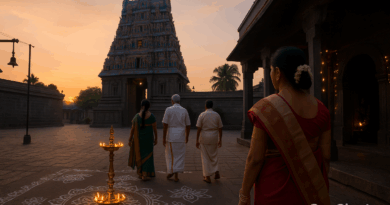
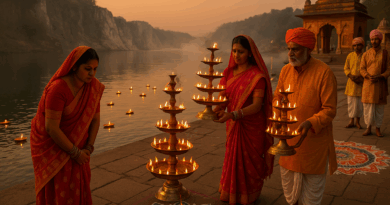
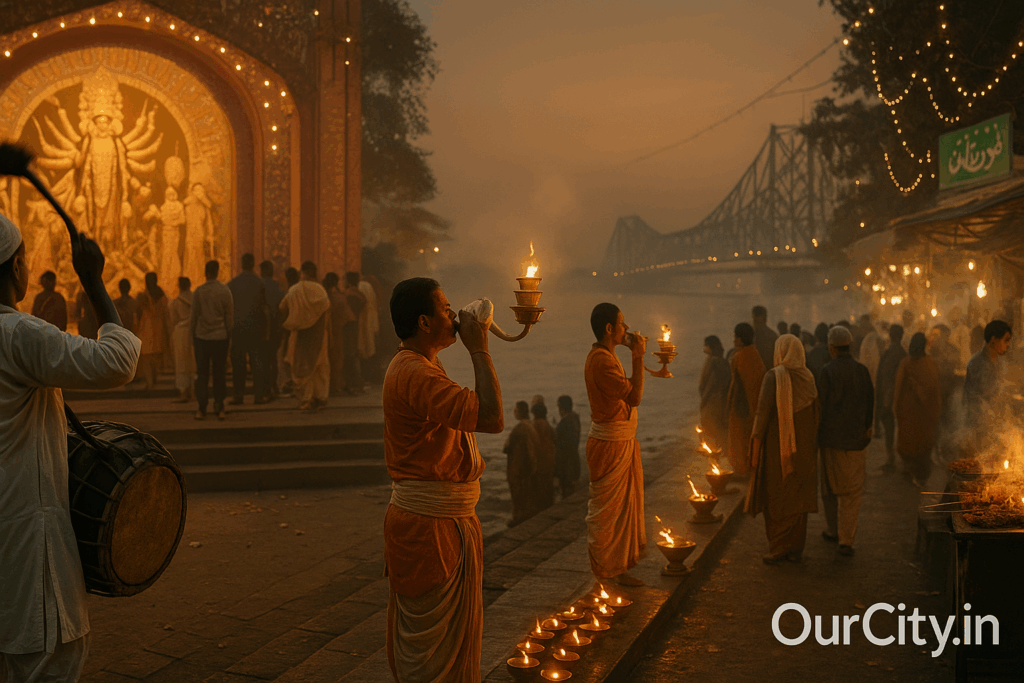
Kolkata runs on rhythm—dhaak drums in autumn, conch shells at dawn, qawwalis after maghrib, carols under fairy lights, the steady clink of bell-metal at river ghats. Locals move with quiet cues: shoes off, head covered, stand left in queues, no photos during aarti, “Dada/Didi, ami line-e achhi” (I’m already in line). First-timers miss small things that matter. This guide sorts the basics so you can participate without fuss, respect the sanctity of spaces, and still enjoy the city’s warmth—from Shobhabazar to Gariahat, from Belur Math to Park Street.
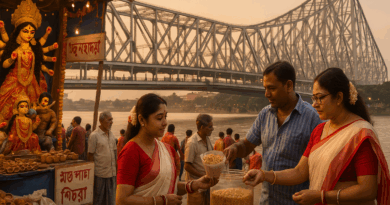
You’ll see neighborhood pride everywhere: pandals in Deshapriya Park and Lake Market, processions along Chitpur Road, iftar lanes in Park Circus and Rajabazar, langar at Burrabazar gurdwaras, evening arti chants across Dakshineswar and Kalighat, midnight mass crowds near St. Paul’s. The idea is simple: arrive at the right time, dress with modesty, keep your phone low, and ask politely when unsure.
🪔 Why This Culture Guide Works for Kolkata
What people usually need in Kolkata: month-wise highlights (so you don’t miss immersion day or midnight mass), a simple “what to wear” list that works across temple, mosque, church, and gurdwara, ₹ ranges for offerings (so you’re neither awkward nor overdoing it), clear crowd windows (so elders and kids are safe), and ready scripts in everyday Hindi/Bengali. That’s what you’ll find here—plus seasonal tweaks (heat, monsoon, winter), metro and first/last-mile tips, and reminders to respect police/municipal advisories on event days.
🪔 Festival Calendar: What Happens When (Jan–Dec)
City Highlights Month by Month
January
-
Kali & Shiva temples’ early-year rush: Kalighat (Kalighat), Dakshineswar (Dakshineswar) see quiet pre-dawn crowds—reach by 05:45 for gentler queues.
-
Poush Parbon/Makar Sankranti: Til-gur sweets in Hatibagan, Gariahat, New Market; quiet morning snan (ritual bath) at Babu Ghat—keep distance from private rites.
-
Republic Day: Morning gatherings around Red Road/Maidan; expect traffic checks.
February
-
Saraswati Puja (Vasant Panchami): Yellow saris and book pujas in Salt Lake, Jadavpur, Tollygunge institutions. Family-friendly; reach 07:00–10:00 for darshan before student lines grow.
-
Basanta Utsav (pre-Holi mood): Cultural programs at Rabindra Sadan, Academy of Fine Arts.
March
-
Dol Jatra/Holi: Vaishnav traditions at ISKCON (Albert Road) and Mayapur groups in the city; dry/gentle colors preferred near temples.
-
Ramzan begins (varies): Iftar streets in Park Circus, Beck Bagan, Rajabazar—respect prayer time, dress modestly, and avoid blocking entrances at maghrib.
April
-
Poila Boishakh (Bengali New Year): Store pujas (haal-khata) across Burrabazar, Gariahat, Ballygunge; greet with “Subho Noboborsho/শুভ নববর্ষ”. Morning is best (07:00–10:00).
-
Good Friday/Easter: Quiet services at St. Paul’s Cathedral; be seated before service begins; phones silent.
May
-
Rath preparations: ISKCON rehearsals sometimes open to public; ask “Rehearsal dekhte parbo?” (May I watch the rehearsal?).
-
Heat is real—target pre-dawn slots for any darshan.
June
-
Rath Yatra: City rath routes near Maidan/Esplanade—check temple trust/ISKCON advisories for the day’s route and timings.
-
Id-ul-Adha (varies): Respect namaz bands; avoid loud chatter near mosque gates during khutbah.
July
-
Guru Purnima: Belur Math (across the river) and city mutts see morning devotees. Reach by 05:45–06:30.
-
Monsoon melas: Community halls in Behala, Kasba, Dum Dum host indoor fairs.
August
-
Independence Day: Flag hoistings in schools/paras (neighborhood clubs).
-
Muharram: Taziya processions in Rajabazar, Park Circus, Metiabruz; observe silently; don’t film close-ups of mourners unless invited.
September
-
Janmashtami: ISKCON night aarti and kirtan; modest attire; no flash photos during deity unveiling.
-
Vishwakarma Puja: Kite-flying on rooftops in Howrah, Baranagar; watch from terraces with permission; avoid strings near roads.
October
-
Durga Puja/Navratri (peak Kolkata): Pandal-hopping in Deshapriya Park, College Square, Kumartuli, Bagbazar, Salt Lake (FD, HB blocks), Park Circus, New Town.
-
Saptami–Navami: 18:00–23:00 surge; best senior/child window 06:00–08:00 or 23:30–01:00 (weekday nights).
-
Dashami/Bisarjan: Immersion routes toward Babu Ghat and Nimtala; watch only from behind barricades; no drones.
-
November
-
Kali Puja/Diwali: Nighttime aarti at Kalighat, Lake Gardens clubs; candles/diya lines—carry a scarf for smoke; follow firecracker rules.
-
Chhath Puja: Sunrise/sunset arghya at Babu Ghat, Princep Ghat, Ahiritola—maintain distance from the waterline; no flash.
December
-
Guruparab (Gurpurab): Burrabazar gurdwaras host nagar kirtans; head cover mandatory.
-
Christmas & Park Street Festival: Carol services, Bow Barracks community events; midnight mass—arrive 23:00; dress warm; phones on silent.
Where to Go & When to Arrive (Time Cues)
-
Temple first darshan: pre-dawn–07:30 (Kalighat, Dakshineswar, neighborhood mandirs).
-
Evening aarti: sunset–20:00; avoid raising phones during flame.
-
Friday namaz (Juma): 12:30–14:30 band at Nakhoda Masjid area—stay clear of gates.
-
Sunday mass: 07:00–10:30 quieter than Christmas week.
-
Pandal windows (Pujo): 06:00–08:00, 23:30–01:00 are gentler; 18:00–22:00 is peak surge.
Family-, Senior-, and Child-Friendly Tips
-
Choose Salt Lake, New Town, Southern Avenue/Lake pandals with wider footpaths.
-
Use Kolkata Metro for trunk hops (Line-1 Dakshineswar ↔ Kavi Subhash; interchange at Esplanade with East-West where available). Keep a prepaid card to skip queues.
-
Set a meet-up point (e.g., “Gariahat crossing, Bata corner”) if separated. Write a contact number on a small paper in a child’s pocket.
🪔 Sacred Spaces Etiquette (Temples • Gurdwaras • Dargahs/Mosques • Churches • Ghats)
Temples (Kalighat, Dakshineswar, Birla Mandir, ISKCON)
-
Shoes: Use the designated shoe racks (₹5–20 tip fine). Socks help on hot floors.
-
Dress: Shoulders/knees covered. Light cottons. Carry a dupatta/shawl.
-
Queue/token: Some shrines use “special darshan” counters; ask: “Darshan token yahin milta hai?”
-
Prasad: Receive with right hand; step aside to taste. Don’t push during aarti; keep phone below shoulder, no flash.
-
Abhishek/archana timings: Early mornings; check the temple trust’s noticeboard/app for the day’s schedule.
Gurdwaras (Burrabazar, Ultadanga, Bhawanipur)
-
Head cover: Mandatory for all. Ask at entrance: “Head cover kahaan milega?”
-
Shoe & jora ghar: Wash hands/feet if facilities exist; keep voices low.
-
Karah prasad: Accept with both hands; don’t waste.
-
Langar: Sit in pangat (rows), finish fully. Offer seva: “Langar kahaan serve ho raha hai? Main seva kar sakta/sakti hoon?”
Dargahs & Mosques (Nakhoda Masjid area, Metiabruz, neighborhood dargahs)
-
Head cover & modest dress: Carry a scarf/cap.
-
Chadar/flowers: Buy simple offerings; avoid blocking pathways.
-
Namaz times: Be discreet around azaan and khutbah. No photos inside prayer halls unless clearly allowed.
-
Qawwali evenings: Photography is often okay in open courtyards—ask first.
Churches (St. Paul’s Cathedral, Bow Barracks chapels)
-
Quiet entry: Sit/stand/kneel by following the congregation.
-
Confession/private prayer: Respect closed doors and signage.
-
Christmas/Easter: Arrive early; keep phones off during readings.
River Ghats & Cremation Grounds (Princep, Babu Ghat, Ahiritola, Nimtala)
-
Silence near rites; keep distance from pyres and families.
-
No photography during funerary rituals.
-
Safe footing: Steps can be slippery; avoid crowding at the waterline.
-
Donations: If approached, give small sums discreetly; avoid coin-throwing.
What to Wear & Carry
-
Wear: Light cottons; shawl/dupatta; easy footwear (floaters/mojaris).
-
Carry: Small scarf; refillable bottle; handkerchief; wet wipes; socks; small cloth bag for offerings; earplugs if sensitive to drums/speakers.
-
Monsoon add-ons: Compact umbrella, non-slip sandals, plastic sleeve for prasad.
Offerings/Prasad/Chadar: Ranges & Rules
-
Flowers: ₹20–100
-
Prasad packets: ₹20–60
-
Oil/ghee packs: ₹50–200
-
Diyas/candles: ₹10–30
-
Chadar at dargahs: ₹200–600
Give with the right hand, keep it simple, and avoid showiness. UPI boxes are common; keep ₹10–50 notes for quick flow.
Photography & Phone Etiquette
-
Ask first: “Photography allowed hai?” / “Chhobi tola jabe?” (ছবি তোলা যাবে?)
-
No flash inside sanctums and during aarti/arti.
-
Stay low: Don’t raise phones above shoulder height; don’t block the flame or priest’s view.
Ask Politely (Ready Scripts)
-
“Line kidhar ban rahi hai?”
-
“Darshan mein kitna samay lagega?”
-
“Darshan token yahin milta hai?”
-
“Head cover kahaan milega?”
-
“Maaf kijiye, photo allowed nahi hai to main phone band kar deta/deti hoon.”
-
Bengali adds: “Nomoskar (নমস্কার), ami line-e achhi.” / “Dhonnobad (ধন্যবাদ), bheed beshi, porer slot-e aschi.”
🪔 Processions, Melas & Community Events
Safe Viewing Spots & Exit Plans
-
Stand along barricade edges, not at turning points where the crowd compresses (e.g., Shyambazar five-point, Esplanade crossings).
-
Keep side lanes clear for emergency exits.
-
Agree on a meet-up landmark: “Shobhabazar Metro gate 2,” “Lake Market clock tower,” “Sealdah foot overbridge, north end.”
Transport Diversions & Crowd Windows
-
On Pujo nights, expect one-way loops in Ballygunge, Gariahat, Salt Lake. Metro is fastest; book an app cab from a quieter pickup (two blocks off the main crossing).
-
Immersion days: Babu Ghat/Red Road diversions; use Maidan, Rabindra Sadan, Esplanade stations and walk.
-
Friday noon near major mosques: avoid gate areas 12:30–14:30.
If You Get Separated (Meet-up Scripts)
-
“Main police barricade ke paas ruka/ruki hoon; aap seedha yahin aa jao.”
-
“Phone battery low hai; Maidan Metro gate 3 pe milte hain 20 minute mein.”
-
For children: teach “Ami hariye gechi (I’m lost). Polish uncle-er kachhe nebo (Take me to a police uncle).”
🪔 Seva, Daan & Doing Your Bit
Simple Ways to Volunteer
-
Shoe-rack help at temples in Kalighat/Dakshineswar during rush hours.
-
Langar service at Burrabazar gurdwaras—ask kitchen lead, wash hands, tie hair.
-
Queue management with para clubs during Pujo (wear volunteer badge).
-
Post-event cleanups at Princep Ghat, Babughat, Rabindra Sarobar—carry gloves, use designated bins.
Hygiene & Clean-up Etiquette
-
Bring a small trash bag; dispose flowers/packets in bins, not the river.
-
Don’t feed plastic-wrapped offerings to animals.
-
Handwash before langar/prasad.
Digital UPI vs Cash (When & How)
-
UPI: Most temples/gurdwaras have QR stands; good for ₹100+ daan.
-
Cash: Keep ₹10–50 notes for quick offerings and shoe-rack tips.
-
Avoid handing large notes into open hundis; use sealed donation counters when available.
🪔 Arts, Crafts, Music & Dance of Kolkata
What to See Live (Rehearsals, Sabhas, Baithaks)
-
Kumartuli idol-making (Aug–Oct): View from the lane; don’t touch wet clay; ask before photos.
-
Rabindra Sangeet/Nazrul Geeti evenings at Rabindra Sadan, Kala Mandir, GD Birla Sabhagar—arrive 15 minutes early; phones silent.
-
Kirtan nights at ISKCON (Albert Road); baul performances pop up at melas (listen, tip respectfully).
-
Adda culture: Coffee House (College Street)—keep voices moderate; table turnover is slow and social.
Ethical Souvenir Buying (Quick Tests & GI Mentions)
-
Kalighat patachitra (hand-painted): Brushstroke variation, natural pigments; avoid printed replicas.
-
Kantha & Tant sarees: Look for GI tags on Baluchari; check weave density, neat selvedge, and colorfast test (dab with damp tissue).
-
Dokra metalwork (often from Bankura artisans at city melas): Seam lines and minor irregularities signal hand-cast, not machine press.
-
Buy from Dakshinapan (Dhakuria), Gariahat, Hatibagan, and seasonal Milan Mela-style fairs; ask sellers about artisan cooperatives.
🪔 Language, Greetings & Everyday Manners
Local Phrases (Transliteration + Script)
-
Nomoskar / নমস্কার (Hello), Dhonnobad / ধন্যবাদ (Thank you)
-
Bhalo achhen? / ভালো আছেন? (How are you?)
-
Polite address: Dada (older male), Didi (older female).
-
Hindi handy: Adaab, Sat Sri Akal, Namaste depending on context.
Right-Hand Giving, Thresholds, Sacred Trees/Animals
-
Offer/receive with the right hand or both hands.
-
Don’t step on thresholds of sanctums; avoid touching idols.
-
Be mindful near banyan/peepal trees tied with threads; don’t litter diyas/packets.
What Not to Do (Short List)
-
Don’t fly drones over processions.
-
Don’t climb on pandal structures/statues/vehicles.
-
Don’t crowd priests/imams/granthis/clerics with selfies.
-
Don’t block ghats during private rites; no flash at night aarti.
🪔 Seasonal Playbooks (Heat • Monsoon • Winter/Smog • Peak Festive)
What Changes, What to Pack, When to Go
Summer (Apr–Jun)
-
Target pre-dawn darshan; carry ORS, cap, and socks for hot floors. Shade is limited around Kalighat lanes—plan short visits with rest breaks at Rashbehari Avenue cafes.
Monsoon (Jun–Sep)
-
Waterlogging pockets: Park Circus, Behala, Ultadanga, parts of Dum Dum—pick covered pandals and ghats with firm steps. Non-slip footwear; plastic cover for offerings.
Winter/Smog (Dec–Jan)
-
Mild cold (early mornings/evenings). Carry a light layer for midnight mass and Ganga breeze at Princep Ghat. Consider an N95/FFP2 mask if smog advisories go up.
Peak Festive Weeks
-
Recharge metro cards early; identify quiet hours (06:00–08:00, post-23:30 weekdays).
-
Not for small kids: packed pandals like Deshapriya Park at 20:00–22:00. Choose Southern Avenue belt instead.
Exam & Job-Hunt Season
-
Quiet prayer/study nooks: weekday mornings at Belur Math grounds, smaller para temples in Jadavpur or Baranagar; always check local noticeboards.
🪔 Quick Cheatsheets (Tables)
Festival Months vs Typical Timings
| Festival/Observance | Typical Months | Best Arrival Window | Notes |
|---|---|---|---|
| Saraswati Puja | Jan–Feb | 07:00–10:00 | Student queues later |
| Ramzan/Iftar | Mar–Apr (varies) | 10–15 min before maghrib | Dress modestly; don’t block gates |
| Poila Boishakh | Apr | 07:00–10:00 | Store pujas in markets |
| Rath Yatra | Jun–Jul | Check morning start | Follow temple advisories |
| Muharram | Aug | Evening/night | Observe quietly; no close filming |
| Janmashtami | Aug–Sep | Post-sunset aarti | No flash in sanctums |
| Durga Puja (Saptami–Dashami) | Sep–Oct | 06:00–08:00 or 23:30–01:00 | 18:00–22:00 surge |
| Kali Puja/Diwali | Oct–Nov | 18:00–21:00 | Candle/smoke; mind fire rules |
| Chhath Puja | Oct–Nov | Sunrise/Sunset | Keep distance at ghats |
| Christmas/Midnight Mass | Dec | By 23:00 | Phones silent |
| Guruparab | Nov–Dec | Morning processions | Head covers, langar |
Etiquette by Place of Worship
| Place | Footwear | Head Cover | Photos | Offering Norm |
|---|---|---|---|---|
| Temple | Off at rack | Optional (shawl handy) | Ask; no flash; phones low | Flowers/prasad; right-hand giving |
| Gurdwara | Off + wash area | Mandatory | Usually not in sanctum | Karah prasad; sit in pangat; don’t waste |
| Mosque/Dargah | Off at gate | Scarf/cap preferred | Courtyard often ok; ask | Simple chadar/flowers; avoid blocking |
| Church | Keep on (unless sign) | Not required | Limited; no flash during mass | Quiet donation; candles sometimes |
Offering/Donation Ranges (₹)
| Item | Typical Range |
|---|---|
| Flowers/garlands | ₹20–100 |
| Prasad packets | ₹20–60 |
| Oil/ghee | ₹50–200 |
| Diyas/candles | ₹10–30 |
| Chadar (dargah) | ₹200–600 |
| Shoe-rack tip | ₹5–20 |
| Langar/temple daan | Your comfort; UPI common |
Quiet-Hour Windows & Crowd Surges
| Event | Quiet Window | Surge Window |
|---|---|---|
| Daily temple darshan | 05:45–07:30 | 18:00–20:00 |
| Friday near major mosques | Before 12:00, after 14:30 | 12:30–14:30 |
| Sunday mass | 07:00–09:00 | Christmas week nights |
| Puja pandals (Oct) | 06:00–08:00; 23:30–01:00 (weekdays) | 18:00–22:00 |
🪔 FAQs (Real Questions, Short Answers)
1) What should I wear that works everywhere?
Light cottons, shoulders/knees covered, scarf/dupatta for head cover, easy footwear you can remove. Carry socks for hot floors.
2) Are photos okay inside sanctums?
Ask first. If allowed, keep phones low and flash off. During aarti/arti, don’t raise phones or block the flame.
3) Cash or UPI for donations?
UPI is common for ₹100+ daan. Keep small notes (₹10–50) for quick offerings, prasad, and shoe-rack tips.
4) Best time to see big Kolkata pandals with elders/kids?
06:00–08:00 or 23:30–01:00 on weekdays. Avoid 18:00–22:00.
5) Is head cover required at gurdwaras and dargahs?
Yes at gurdwaras (mandatory). Recommended at dargahs/mosques; carry a scarf/cap.
6) Can I attend langar as a visitor?
Yes. Sit in pangat, finish your plate, and you’re welcome to do seva (serving/cleaning).
7) How early for midnight mass?
Be seated by 23:00. Phones silent throughout.
8) Where to watch Durga Puja immersion?
Designated viewing behind barricades near Babu Ghat/Red Road. Follow police instructions; no drones.
9) Are drones allowed over processions/pandals?
No. Kolkata Police/municipal advisories often restrict them. Respect the rules.
10) What should I say if someone asks me to move in a queue?
“Dhanyavaad, main line mein hoon.” / “Dada, ami line-e achhi, dhonnobad.”
11) Is iftar open to all?
Markets are open; respect prayer times, dress modestly, and don’t crowd mosque gates at maghrib.
12) Footwear near ghats?
Wear non-slip sandals; steps get wet and sludgy. Keep a small towel for feet.
13) Are kids okay at qawwali evenings?
Usually, yes in open courtyards. Carry ear protection; keep them seated at the edges.
14) What about bringing flowers from home?
Plain flowers are fine; avoid plastic/glitter. Use designated bins after.
15) Late-night travel tips during Pujo?
Pick app cabs from a quieter street off the main crossing; share ride details; avoid isolated lanes. Metro till last train is safest for trunk hops.
🪔 Wrap-Up: You’ll Fit Right In
Kolkata appreciates gentleness—letting elders pass, keeping your phone down during aarti, covering your head where needed, giving a little and not wasting. Plan your windows (early mornings, post-late nights on weekdays), favor the metro, carry a scarf and small notes, and ask politely when unsure. One last insider tip: before the crowds peak, slip into Kumartuli lanes at first light and watch clay turn into gods—no noise, just craft, river air, and a city waking up. You’ll feel at home.