Kolkata: City Guide
Table of Contents
Kolkata: Your Smart, Local Guide
Kolkata has the unhurried charm of letters and adda (warm conversation) with a working spine of trains, trams, ferries, and a metro that actually helps. It’s a city where the morning starts with telebhaja (fritters) at Lake Market, afternoons stretch under banyan shade at the Maidan, and evenings glow near Prinsep Ghat with the Hooghly breeze. First-timers often rush only to “tick sights.” Locals know better: slow lanes, shared autos, and the right cuppa at the right para (neighborhood). This guide keeps it practical—scripts you can use, seasons you should plan for, and the small tricks Kolkata folks pass on casually over chai.
🧭 Why This Guide Works for Kolkata
You want clarity, not guesswork. Kolkata rewards those who read its rhythm—peak-hour trains, shared auto routes, market weekly-offs, and pandal-hopping windows in Pujo week. We’ll keep it:
-
Local-first: Neighborhood name-drops so you feel oriented—Shyambazar, Gariahat, Park Street, Esplanade, Salt Lake (Bidhannagar), Sector V, New Town, Kalighat, Alipore, Behala, Jadavpur, Rajarhat, College Street (Boi Para), Howrah, Kumartuli, Hatibagan, Burrabazar, Bowbazar, Park Circus, Tangra, Tiretta Bazaar.
-
Script-ready: Ask for help, bargain fairly, order like a local, refuse touts—without friction.
-
Season-smart: Heat, monsoon, festive crowds—we’ll show how locals adjust timings, clothes, and snacks.
-
Price-aware: Street to sit-down bands in ₹, plus realistic fares.
-
Respectful: Simple etiquette for temples/dargahs/ghats, and the city’s layered cultures.
🥘 Food & Eateries: Eat Well, Eat Smart
Must-Try, Locally Loved
Kolkata’s plate is generous. A few signposts:
-
Phuchka (our version of pani puri): Soft-crisp shells with tangy tamarind water, mashed potato, and a whisper of gondhoraj lime if you’re lucky. Vivekananda Park (Ballygunge) in the evening is a classic lane.
-
Kathi roll: Flaky paratha wrapped around egg/chicken/kebab, sweet-spicy sauce, onions. Park Street and Esplanade lanes have legends.
-
Kosha mangsho: Slow-cooked spicy mutton, best with luchi (puffed bread). Try Shyambazar and Hatibagan side streets.
-
Kolkata biryani: Fragrant, subtle, with the aloo (potato) we swear by. Park Circus and Beckbagan are good bets.
-
Fish fry/Kabiraji: Fillet in crisp crumb or lacy batter. Mitra Café in Shobhabazar is old-school.
-
Shorshe ilish (hilsa in mustard), chingri malai curry (prawn in coconut), mochar ghonto (banana flower curry), alur dom-kochuri (Sunday morning in Lake Market lanes).
-
Tangra/Chinatown: Hakka noodles, chilli chicken, momos—Tangra and Tiretta Bazaar (early-morning Chinese breakfast) are distinct experiences.
-
Mishti: Sondesh, rosogolla (no fights today), mishti doi. For takeaways, central Ballygunge, Gariahat, and Shyambazar are safe bets.
Veg-friendly pockets: Gariahat, Salt Lake, New Town cafes, and many sweet shops with veg snacks. Jain adaptations are available at several roll/chaat counters—ask clearly.
Street-Food Hygiene Hacks
Here’s the thing—street food is joy, but be smart:
-
Oil check: Fresh oil looks light and clear. Dark, sticky oil = skip.
-
Turnover test: Busy stall with fast turnover beats an empty one.
-
Water watch: For phuchka, prefer vendors using sealed water or who wash hands frequently. Avoid “free water” jugs.
-
Monsoon rule: Say no to cut fruits, uncooked chutneys, and salads from carts; go for freshly fried items.
-
Plates & hands: Tissue/eco-plates are fine; see if the vendor handles money and food separately.
-
Your kit: Carry a small sanitizer, ORS sachet, and a reusable bottle.
Order Like a Local (Scripts)
Keep it warm and clear. Bengali and Hindi both work; English is fine in many places.
-
Phuchka (Ballygunge):
“Dada, ek plate phuchka, jhal kom, tok beshi. Jol alada kore deben?”
(Brother, one plate phuchka—less spicy, more tangy. Can you keep the water separate?) -
Roll (Park Street):
“Didi, egg-chicken roll, piyaj halka, sauce kom, kacha lonka add korben?”
(Sister, egg-chicken roll—light onion, less sauce, add a green chilli?) -
Sweets (Ballygunge):
“Ekta mishti doi chhoto cup, sondesh du’ta, pack kore deben.”
(One small mishti doi, two sondesh, please pack.) -
Jain request:
“Without onion-garlic please. No root vegetables.” -
Allergy note:
“I’m allergic to shrimp. Please confirm no shrimp paste.”
Budget Bands & Late-Night Eats
-
₹ Street: ₹40–120 per plate (phuchka, rolls, telebhaja, ghugni).
-
₹₹ Casual: ₹200–500 per person (canteens, classic cafés, Chinatown staples).
-
₹₹₹ Sit-down: ₹600–1,200 per person (Park Street, Salt Lake/New Town bistros).
-
Late-night belts (23:00–01:30): Park Street spine, Sector V food trucks, a few New Town cafés. Prefer app cabs after 22:00.
🛍 Markets & Shopping: Fair Prices, Real Finds
What to Buy & Where
-
Sarees & Textiles: Tant, Jamdani, Baluchari, Dhakai, Kantha stitch. Head to Gariahat, Hatibagan, Burrabazar, and Dakshinapan (Dhakuria) for state emporia vibes.
-
Books: College Street (Boi Para)—textbooks to rare finds; end with coffee at Coffee House.
-
Jute & Handicrafts: Bags, runners, décor—New Market (Hogg Market), Dakshinapan.
-
Idols & Art: Kumartuli for idol-making lanes (be respectful, don’t block artisans).
-
Spices & Tea: Burrabazar for spices; New Market for Darjeeling tea.
-
Electronics & Spares: Chandni Chowk (Kolkata)—repairs and parts; test thoroughly.
-
Antique curios: Scattered across Bowbazar and small shops near Esplanade—verify provenance.
Bargaining Scripts & Receipts
Kolkata vendors appreciate politeness.
-
Start soft: “Dada, fixed rate naki? Ektu kom hobe? UPI thik ache.”
(Is it fixed? Can you reduce a bit? I’ll pay by UPI.) -
Bundle buy: “Duita nile aro kichhu diben?” (If I take two, any better?)
-
Fair close: “Thik ache, etai korun. Pack kore deben, please.” (Alright, let’s close here. Please pack.)
-
Receipt nudge: “Bill deben? Warranty cardo din.” (Please give the bill and the warranty card.)
Cash vs UPI: UPI works almost everywhere; small stalls may give ₹10–₹20 “rounding” if you pay cash. Don’t pressure; choose what feels right.
Quality Checks & Best Hours
-
Sarees: Rub the zari gently—flaking means blend; check even weave under light.
-
Spices: Aroma strong but not harsh; whole spices over pre-ground.
-
Tea: Ask for harvest season; avoid dusty packets; prefer sealed.
-
Electronics: Test on the spot; note return terms.
-
Best hours: Gariahat/Hatibagan feel lively late afternoon–evening. College Street mornings for calmer browsing. New Market mid-day is busiest; earlier is smoother. Burrabazar hums weekdays; avoid peak freight hours.
🎉 Traditions & Culture: Show Up Right
Festivals You’ll Actually Enjoy
-
Durga Puja (Sep–Oct): The big one. Pandal-hop in Ballygunge, Lake Gardens, Shyambazar, Baghbazar, College Square, Salt Lake, New Town. Go early morning (05:30–07:30) or late night (after 23:00) to avoid crush. Comfortable shoes, light clothes.
-
Kali Puja/Diwali (Oct–Nov): Lamps on balconies, fireworks (ear protection helps).
-
Saraswati Puja (Jan–Feb): Yellow saris, school/college celebrations.
-
Poila Boishakh (mid-Apr): Bengali New Year—new ledger rituals in Burrabazar and sweet shops across Rashbehari to Kasba.
-
Dol Jatra/Holi (Mar): Softer hues here; still protect your phone and keep a change of clothes.
-
Christmas (Dec): Park Street lights and music—arrive by 18:00.
-
Book & Film Festivals: Kolkata International Book Fair (Jan/Feb) and KIFF (Nov) draw big crowds.
Etiquette in Sacred Spaces
-
Temples (Kalighat, Dakshineswar): Shoes off, modest wear, keep the line moving. Don’t photograph priests or devotees without consent. If someone offers “shortcut darshan,” decline politely.
-
Belur Math: Calm, contemplative—cover shoulders/knees. Sit quietly during evening aarti.
-
Dargahs/Gurdwaras: Head covering (carry a small scarf), respectful silence, no photography inside unless clearly allowed.
-
Ghats: Don’t block puja or rituals; ask before photographing people.
Everyday Manners & Phrases
-
Greetings: “Nomoshkar” works everywhere.
-
Address: Dada (brother), Didi (sister).
-
Polite ask: “Ektu help korben?” (Could you help a bit?)
-
Thank you: “Dhonnobad.”
-
Queues: Respect lines at sweet shops and ticket counters; locals do.
🏞 Places & Activities: One Day or a Weekend
One Great Day (Practical Route)
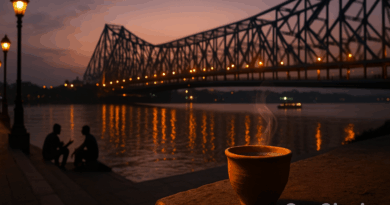
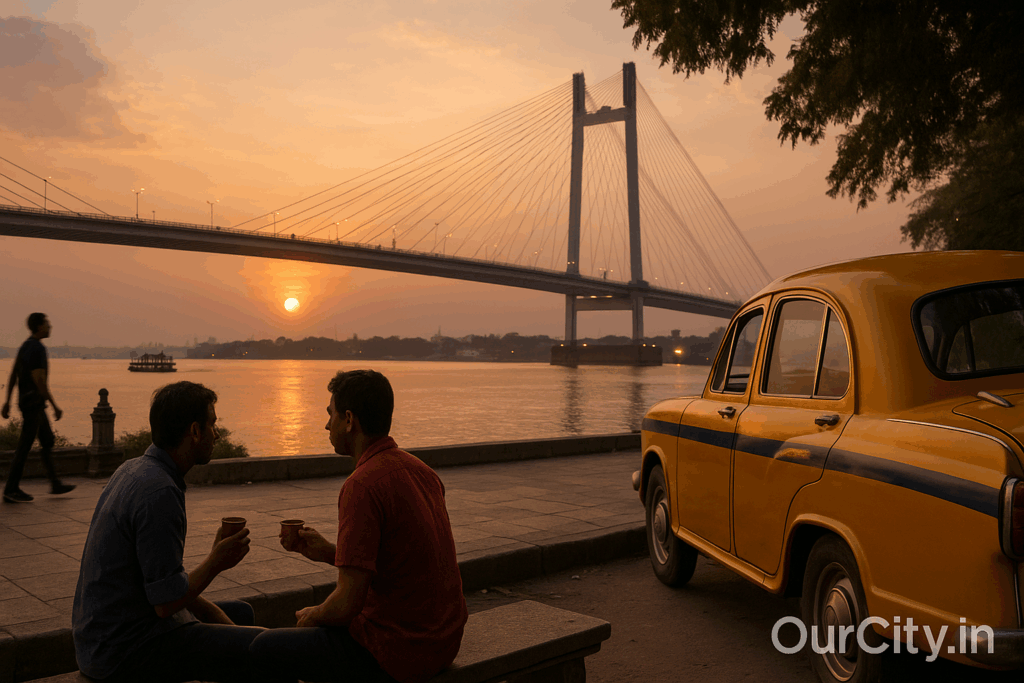
06:15 – Prinsep Ghat: Sunrise by the Hooghly, Vidyasagar Setu in soft light. Tea in clay bhars.
07:30 – Tiretta Bazaar (on days it runs): Old-Chinatown breakfast—bao, soup, momos. (If closed, pick a Lake Market snack.)
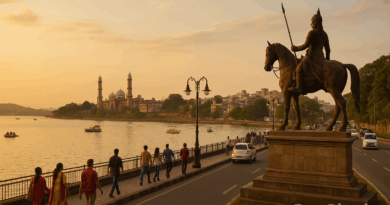
09:30 – Victoria Memorial & Maidan: Quick walk around the lawns; peek into galleries if time allows.
11:00 – Indian Museum or South Park Street Cemetery (choose one): History or eerie-serene heritage walk.
13:00 – Park Street lunch: Old-school sit-down or quick rolls; coffee dessert.
15:00 – College Street & Coffee House: Book browsing; keep small notes for used stalls.
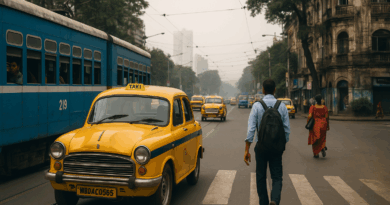
17:00 – Kumartuli (non-Pujo months) or Esplanade tram photo-op: Respect artisans; don’t touch idols.
18:45 – Belur Math riverside: Sunset calm.
20:30 – Ballygunge/Vivekananda Park phuchka trail or Park Circus biryani.
22:00+ – App cab back. Avoid last-minute bus hunts.
All through the day, hydrate. Kolkata heat is sneaky.
Weekend Sampler
-
Saturday:
Morning: Botanical Garden (Howrah)—the Great Banyan.
Midday: Alipore Zoo (if you go, keep it brief and mindful) or Science City.
Evening: Prinsep Ghat boat ride (life jackets, please) + Park Street dinner. -
Sunday:
Morning: Salt Lake Sector V café or lakes at Eco Park (New Town) with cycling.
Afternoon: New Market shopping; sweets from Ballygunge.
Night: Gariahat stroll for sarees and snacks.
Photo-Friendly Times & Safer Nights
-
Golden hours: Prinsep Ghat sunrise; Howrah Bridge at 06:30 seen from Babughat; Victoria Memorial evenings post-rain.
-
After dark: Park Street, New Town, Salt Lake main roads feel busier. Burrabazar and dim inner lanes—take an app cab if you’re unsure. Keep valuables zipped.
🧰 Life Hacks & Survival: Move, Breathe, Stay Safe
Metro/Bus/Auto Cheat Codes
-
Kolkata Metro: The North–South and East–West lines cover most axes (Dakshineswar↔Kavi Subhash; Howrah/Salt Lake ↔ city center). Typical short hop ₹20–₹30, longer rides ₹40–₹60. Smart cards are quicker than tokens. Check the official Metro app for live routes/fares.
-
Buses & Trams (WBTC): Buses go almost everywhere; fares often ₹10–₹30. Trams run limited heritage services—fun, not fast.
-
Suburban trains: From Howrah and Sealdah—cheap and frequent; avoid peaks if you’re new.
-
Ferries: Cross-Hooghly boats link Babu Ghat, Howrah, Dakshineswar, Belur. Fares ₹6–₹10. Great shortcuts; stand steady.
-
Autos/Totos: Many are shared on fixed routes. Ask: “Ei line kothae jay?” (Where does this line go?) Pay the posted rate; no meters. For private hire, clarify full fare before you sit.
Peak windows: 09:00–11:00 and 17:30–20:00. If you dislike crowds, slip out earlier or later.
Platform tips: First/last coaches may be calmer. Keep small change for buses/autos.
Heat/Monsoon/Smog Plans
-
Summer (Apr–Jun): 34–40 °C with humidity. Carry ORS; refill at cafes. Choose cotton/linen; a cap helps. Plan outdoor blocks before 10:00 or after 16:30.
-
Monsoon (Jun–Sep): Waterlogging near Tollygunge, Park Circus, BEhala pockets, central Esplanade after cloudbursts—routes shift; ferries pause in storms. Quick-dry sandals, rain cover for your bag, and a spare tee. Street food—stick to fried hot items; avoid cut fruits and chutneys.
-
Winter (Dec–Jan): Mild 12–20 °C; light layers. AQI can spike occasionally—N95/FFP2 masks help if sensitive.
Emergencies & Scams to Dodge
-
Pan-India: 112 (emergency), 108 (ambulance).
-
City-specific help (names to know): Kolkata Police Control Room (Lalbazar), Women’s Helpline, Kolkata Metro Railway Helpline, WBTC Transport Helpline. (Numbers change—search the official pages.)
-
Common scams & polite exits:
-
“Museum closed today; come this shop” near Esplanade/Victoria: “Dhonnobad, amra app-e check korchi.” (Thanks, we’ll check the app.)
-
Over-help with bags at Howrah: Hold your luggage; say, “Lagbe na, dhonnobad.” (No need, thanks.)
-
Forced shine/repair: “Korbo na. Dhonnobad.” (Not doing this, thanks.)
-
Auto fare surprise: Confirm: “Total koto? UPI cholbe?” (What’s total? Is UPI okay?) before moving.
-
Solo-female tips: App cabs after 22:00, sit rear seat, share live route, and trust your gut. Kolkata is largely warm; caution still helps.
🛒 Products & Picks: What’s Worth Buying in Kolkata
City-Special Buys (₹ Ranges)
-
Sarees (Tant/Jamdani/Kantha): ₹1,200–8,000+ depending on weave. Buy from Gariahat/Hatibagan or state emporia at Dakshinapan.
-
Darjeeling Tea: ₹300–1,500 per 100 g. Ask for flush details; sealed packs only.
-
Jute Bags: ₹150–700; check stitches and zipper.
-
Sondesh/Mishti Doi (take-home packs): ₹200–500. Use insulated carry in summer.
-
Handmade Dokra/Terracotta: ₹400–2,500 depending on size.
-
Books (used/new): ₹100–1,000 per title; inspect pages at College Street.
Climate Helpers & Local Apps
-
Carry: Compact umbrella, waterproof phone pouch, quick-dry sandals, mosquito repellent, light scarf (sun + head cover at shrines).
-
Apps/tools: Kolkata Metro official app (routes/fares), WBTC bus app (live bus info), Ola/Uber, Rapido (bike-taxi in some areas), IRCTC (rail), m-Parivahan (vehicle docs), BHIM/PhonePe/Google Pay (UPI).
-
Payment: UPI is king; keep ₹200–₹500 small notes for legacy spots.
Packing Tips for This City
-
Breathable fabrics, a foldable tote for spontaneous Gariahat hauls, refillable bottle, tiny power bank, ziplock for mishti boxes, and a scarf that doubles as sun/rain cover.
✅ Quick Cheatsheets (Tables)
Sample City Fares & Passes (indicative—check official apps for live info)
| Mode | Typical Short Hop | Longer Trip | Notes |
|---|---|---|---|
| Metro | ₹20–₹30 | ₹40–₹60 | Smart card faster; security checks at entry. |
| WBTC Bus | ₹10–₹20 | ₹20–₹30 | Keep change; ask conductor for stop cue. |
| Tram (heritage) | ₹10–₹20 | — | Slow but scenic; limited routes/timings. |
| Ferry (Hooghly) | ₹6–₹10 | — | Life jacket on boats; pause in storms. |
| Shared Auto/Toto | ₹10–₹30 per stage | — | Fixed route; confirm destination. |
| App Cab (inner city) | ₹120–₹280 | ₹280–₹550 | Surge in rains/peaks; share route. |
Markets & Likely Weekly Offs (varies by lane—confirm locally)
| Market Zone | Likely Off/Quiet Day | Best Window |
|---|---|---|
| Gariahat (sarees, clothes) | Some lanes light on Mon | 16:30–20:30 |
| New Market (Hogg) | Sun often closed/limited | 11:00–15:00 |
| College Street (books) | Sun many shut | 10:30–13:00 |
| Burrabazar (wholesale) | Sun mostly shut | Weekday mornings |
| Dakshinapan (emporia) | Mon some shops shut | 12:00–19:00 |
| Hatibagan (sarees) | Thu some closures | 17:00–20:30 |
Festival Months Snapshot
| Festival | Typical Month | Street-Smart Tip |
|---|---|---|
| Durga Puja | Sep–Oct | Pandal-hop 05:30–07:30 or post-23:00. |
| Kali Puja/Diwali | Oct–Nov | Earplugs; pets get anxious—avoid crackers lanes. |
| Saraswati Puja | Jan–Feb | Yellow/white attire blends in; sweets everywhere. |
| Poila Boishakh | Mid-Apr | Book eateries; light cottons. |
| Christmas (Park Street) | Dec | Arrive by 18:00; app cab return. |
Popular Dishes—Price Bands
| Dish | Street (₹) | Casual (₹) | Sit-down (₹) |
|---|---|---|---|
| Kathi Roll | 60–120 | 120–180 | 180–260 |
| Phuchka (per plate) | 40–80 | 60–100 | — |
| Kosha Mangsho set | — | 260–480 | 480–900 |
| Kolkata Biryani (plate) | — | 220–380 | 380–650 |
| Fish Fry/Kabiraji | — | 180–320 | 320–600 |
| Mishti (per piece) | 15–40 | 25–60 | — |
“Arrive By” Timing Cues
| Spot | Arrive By | Why |
|---|---|---|
| Prinsep Ghat (sunrise) | 06:10 | Soft light, fewer crowds. |
| Victoria Memorial lawns | 16:30 | Cooler, golden hour. |
| Park Street (dinner) | 19:15 | Beat 20:00–21:30 rush. |
| College Street | 10:30 | Shopkeepers fresh, better browsing. |
| Gariahat | 17:00 | Evening buzz without late-night crush. |
❓ FAQs
1) Is tap water safe to drink?
Prefer filtered/packaged water. Carry a bottle; ask cafes for refills.
2) Cash or UPI?
UPI everywhere; small notes help at buses/autos and very small stalls.
3) How late is it safe to travel?
Main spines (Park Street, New Town) are active till late. After 22:00, use app cabs. Share your ride and route.
4) What’s the cleanest street food?
Busy phuchka/roll counters with visible hygiene—fresh oil, gloved hands, separate cashier. In monsoon, pick fried/hot items.
5) Where can I try Chinese breakfast?
Tiretta Bazaar on select mornings—arrive early (06:30–08:00). Days vary; ask locals.
6) Are trams still running?
Limited heritage services. Fun for photos, not for speed.
7) How do shared autos work?
Fixed routes and fares per stage. Confirm destination: “Ei line kothae jay?” Pay when you get down.
8) Which month is best for Durga Puja?
It shifts (lunar calendar) across Sep–Oct. Book stays/transport early. Go early morning or late night for comfort.
9) Any solo-female tips?
Sit near families on metro, avoid deserted bus stops late, use app cabs after dark, and trust your instincts.
10) Can I photograph artisans at Kumartuli?
Ask first. Don’t touch idols or block workspaces.
11) Where to buy good sarees without overpaying?
Gariahat/Hatibagan for variety. Compare 2–3 shops. Ask about return/exchange.
12) Clean toilets around the center?
Malls (Quest, South City), big restaurants/cafés, and metro stations have usable facilities. Carry tissues and sanitizer.
13) Are ferries safe?
Yes, with standard precautions. Avoid during storms; use life jackets if provided.
14) Late-night food?
Park Street, Sector V food trucks, and a few New Town joints. Rolls, biryani, kebabs are reliable.
15) Is Bengali necessary?
No. Bengali helps, Hindi and basic English work fine. A “Nomoshkar” wins smiles.
🔚 Wrap-Up: You’ll Do Great Here
Kolkata runs on warmth and common sense. Keep small change, share a table if a café is packed, and ask—people will guide you better than any map. Start your morning by the Hooghly, keep afternoons slow, and step into the evening lights with a calm mind and comfy shoes. Locals say: “Jekhane mon bhore, sekhanei Kolkata.” (Where the heart feels full—that’s Kolkata.)
Take it easy, eat well, and let the city’s adda find you.