Gwalior: City Guide
Table of Contents
Gwalior: Your Smart, Local Guide
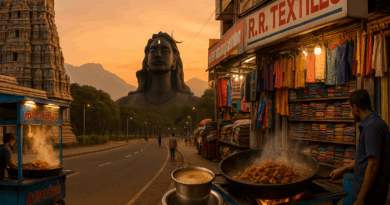
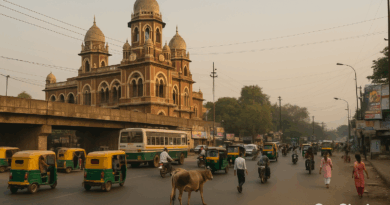
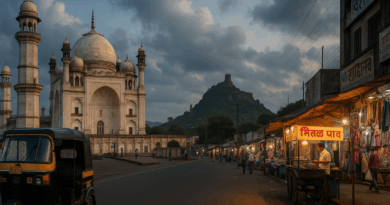
Gwalior has a certain steadiness—fort on the hill, bazaars below, and music in the air. People move between Lashkar and Morar like it’s muscle memory; evenings drift around Maharaj Bada and Phool Bagh; weekends mean a quick ride to Tigra Dam or a sunset walk near the rock-cut Jain statues at Gopachal. First-timers usually rush the fort and miss the fun of the lanes. Locals know timings, back roads, and which poha-jalebi stall actually uses fresh oil. This guide brings that know-how together so you can eat well, shop fair, move smart, and show up right.
🧭 Why This Guide Works for Gwalior
Gwalior is compact yet layered. You’ll find heritage corners around the Fort, Scindia-era grandeur at Jai Vilas Palace, student clusters in Thatipur and City Centre, army discipline in Morar, and old-school markets across Naya Bazaar, Sarafa, Patankar Bazaar, and Topi Bazaar. What most people need here is:
-
Clear routes: How to cover the fort, old town streets, and museum without zig-zagging.
-
Street-smart food tips: Which hours are safest for chaat, how to judge oil and water.
-
Fair prices: What to pay in autos and markets, with ready Hindi lines.
-
Seasonal sense: Summer heat, monsoon downpours, winter fog/smog days.
-
Respectful etiquette: For temples, dargahs, and the Tansen sites.
You’ll get scripts in Hindi/hinglish, realistic price bands, and time cues like “reach by 07:30”. No fluff—just how locals actually do it.
🥘 Food & Eateries: Eat Well, Eat Smart
Must-Try, Locally Loved
-
Poha–jalebi breakfast: Classic MP start. Best early—06:30–09:30—near Maharaj Bada, Thatipur, and Padav (station side). Look for yellow poha that’s fluffy (not oily or dense) and jalebi fried to order.
-
Kachori & samosa: Morning and late afternoon in Naya Bazaar, Sarafa, Hazira. Ask for mirchi–lehsun chutney on the side; avoid if it looks watery.
-
Dal bafla: Gwalior’s hearty cousin of dal-bati. Try sit-down thalis in Lashkar or City Centre; lunch is best (12:30–15:00).
-
Gajak (til chikki): Winter-time darling (Nov–Feb). You’ll find packed boxes across Sarafa and Maharaj Bada—ask for gur-based options with short ingredient lists.
-
Chaat: Aloo tikki, pani puri, papdi chaat in Sarafa and lanes off Patankar Bazaar—go at 17:30–20:00 on dry days.
-
Simple, homely thalis: In Thatipur, Gole Ka Mandir, and Morar—look for places with rotating veg of the day and fresh phulka.
Veg/Jain comfort: Plenty of veg. Jain options are common if you request “pyaaz-laisun nahi” (no onion/garlic) early, especially in thali spots around Lashkar.
Street-Food Hygiene Hacks
-
Oil test: If kachori/samosa look too dark by 11:00, oil is tired. Skip.
-
Water check: Prefer sealed water or RO jugs from visible dispensers. Avoid pani-puri water if the setup looks open-air near traffic.
-
Cut fruits: Avoid in the afternoon heat (Apr–Jun). Choose whole fruit you can wash.
-
Monsoon filter: Rain + chaat = higher risk. Choose hot, fried items served fresh; skip raw toppings.
-
Crowd logic: Stalls with steady local queues in Sarafa and Naya Bazaar turn stock faster—safer.
Order Like a Local (Scripts)
-
Custom butter: “Bhaiya, half plate pav bhaji, thoda kam makkhan, aur extra nimbu.”
-
Jain request: “Bhaiya, bina pyaaz-laisun banana.”
-
Fresh fry ask: “Abhi-abhi tal ke dena, garam chahiye.”
-
Spice level: “Mirchi halka rakhna, teekha kam.”
-
Water choice: “Sealed bottle dena, thanda zyada nahi.”
Budget Bands & Late-Night Eats
-
₹ (street): ₹30–120 per plate (poha, kachori, chaat).
-
₹₹ (casual): ₹150–350 per person (simple thali, rolls, dosa).
-
₹₹₹ (sit-down): ₹400–900 per person (family restaurants in City Centre, Phool Bagh, Lashkar).
Late-night belts (till ~23:00): Pockets around Maharaj Bada, parts of Thatipur and City Centre—still, prefer app cabs after 21:30, especially for longer hops.
🛍 Markets & Shopping: Fair Prices, Real Finds
What to Buy & Where
-
Gajak & winter sweets: Sarafa and Maharaj Bada—compare ingredients and freshness dates.
-
Textiles & sarees (Chanderi/Maheshwari resellers): Patankar Bazaar, Naya Bazaar. Ask about blend vs pure; pure feels lighter yet crisp.
-
Silver jewellery & traditional wear: Sarafa lanes; also Topi Bazaar for mixed finds.
-
Leather mojari & belts: Scattered across Lashkar; check stitching and sole flexibility.
-
Handicrafts & souvenir minis of the Fort/Jain statues: Around Jai Vilas Palace museum shops and old-town stalls.
Neighborhood map in words:
Maharaj Bada (Jiwaji Chowk) = central square + old markets vibe. Sarafa = jewellery + chaat. Patankar Bazaar = textiles/dress material. Topi Bazaar = mixed accessories. Naya Bazaar = everyday shopping, snacks. Hazira = busy local hub in Morar. City Centre/Thatipur = modern stores, student budgets.
Bargaining Scripts & Receipts
-
Start soft: “Bhaiya, thoda kam ho jayega? Main do cheez le raha hoon.”
-
Bundle deal: “Do loonga, ₹X final kar do.”
-
Fair exit: “Theek hai, soch ke aata hoon.” (begin to walk; if they call back, you’re close).
-
Digital pay: Most accept UPI; confirm “UPI chalega?” before finalizing.
-
Bill tip: For bigger buys (textiles/silver), ask “Bill de dijiyega”—helps with returns and authenticity claims.
Typical discount band: 10–20% on unbranded textiles/accessories if you’re polite and bundle items. Fixed-price sweet shops rarely bargain, but you can request “box fresh banaiye” (freshly packed).
Quality Checks & Best Hours
-
Silk/cotton blends: Rub gently—pure silk has a soft sheen; blends feel slightly plasticky.
-
Spices: Smell for brightness; avoid faded color or clumped masalas.
-
Leather: Bend sole; if it cracks/whitens, quality is suspect.
-
Best hours: 11:00–14:00 and 17:00–20:00. Many shops slow on Monday afternoon; some old markets close one weekday—ask nearby for the local off-day pattern.
🎉 Traditions & Culture: Show Up Right
Festivals You’ll Actually Enjoy
-
Tansen Samaroh (Dec): Classical music festival linked to Tansen’s tomb; carry a shawl in winter evenings; reach 30–45 min early for good seating.
-
Gwalior Trade Fair/Mela (Dec–Jan): Big shopping + food carnival near fairgrounds—great for local snacks and winter gajak.
-
Navratri & Dussehra (Sep–Oct): Pandals and aarti in Lashkar, Morar, Thatipur—modest attire, comfortable footwear.
-
Diwali (Oct–Nov): Fort and city glow—enjoy lamps around Maharaj Bada; avoid heavy traffic 18:00–21:00.
-
Eid & Moharram: Respect processions; expect diversions around Hazira and old-town lanes.
Crowd-smart tip: During peak festival nights, keep your plan to 1–2 zones (e.g., Maharaj Bada + Sarafa). Don’t try to cross the city in that window.
Etiquette in Sacred Spaces
-
Shoes: Always off near temples/tombs; use token racks or keep in a bag.
-
Head cover: Carry a light scarf if visiting dargahs.
-
Photography: Ask before shooting people or rituals; in some halls, photos are restricted.
-
Offerings: Small, simple. Avoid plastic flowers; prefer fresh or none.
-
Queues: Join calmly; no cutting lines—“line mein aaiye” is the norm here.
Everyday Manners & Phrases
-
Greeting: “Namaste/Pranam” works everywhere; “Adaab” in older lanes near dargahs.
-
Please/thanks: “Kripya” / “Dhanyavaad” or just “Shukriya” works fine.
-
Asking directions: “Bhaiya, [place] kaise jana hai? Seedha ya left?”
-
Thanking a vendor: “Bhaiya, badhiya tha.”
City quirk: Locals are proud of their raag and fort. Music and heritage often pop up in small talk—mention Tansen and you’ve got a friend.
🏞 Places & Activities: One Day or a Weekend
One Great Day (Practical Route)
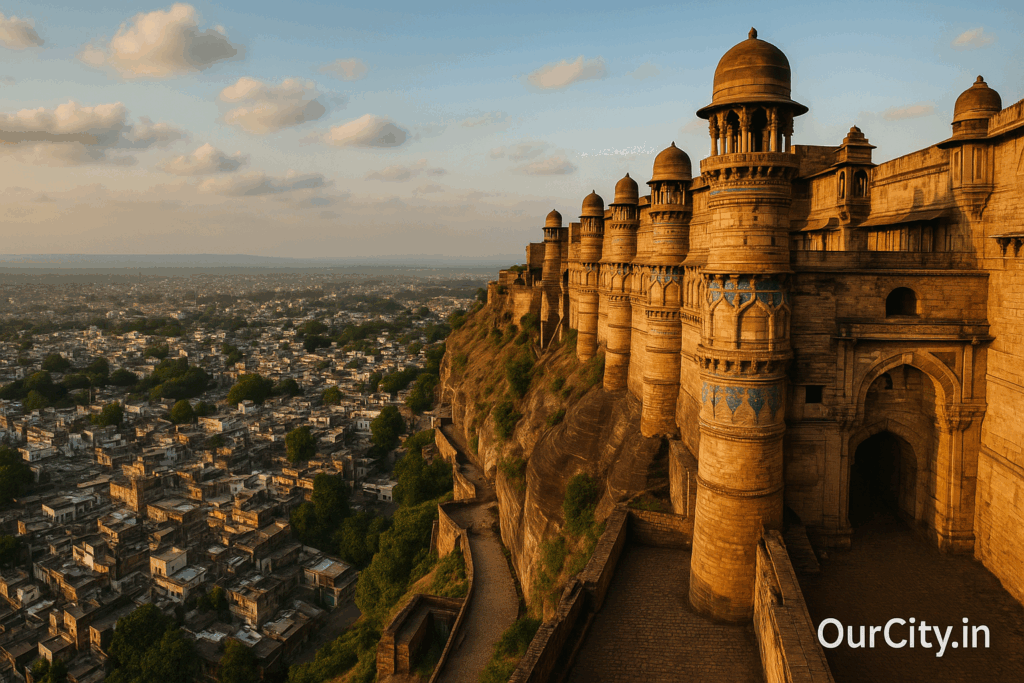
07:00 – Gwalior Fort (Urvai Gate side): Start early for cooler climbs and soft light on Man Mandir Palace. If you’re not up for the slope, take an auto to the top gate.
09:30 – Poha–jalebi near Maharaj Bada; quick tea.
10:30 – Sas-Bahu temples (intricate stonework) & Teli Ka Mandir nearby on the hill.
12:30 – Gujari Mahal Museum (inside the fort zone) or head down for lunch in Lashkar (dal bafla, simple thali).
15:00 – Jai Vilas Palace & Scindia Museum (allow 1.5–2 hours).
17:30 – Old lanes around Sarafa for chaat; keep it light.
18:30 – Gopachal Parvat (Jain rock-cut statues) for golden hour; or Phool Bagh stroll.
20:00 – Dinner around City Centre/Thatipur; app cab back if late.
Auto script: “Fort top jana hai, Urvai Gate se. Kitna loge? Meter ya ₹150 final?”
Weekend Sampler
-
Day 1: Fort complex slow-and-deep + Jai Vilas Palace, evening at Sarafa.
-
Day 2: Tigra (Tighra) Dam for boating and breezy views (mornings best), back for a late lunch in Morar or Gole Ka Mandir area. If you love ruins, plan a day trip to Bateshwar–Padavali–Mitaoli (near Morena) with a reliable cab.
Photo-Friendly Times & Safer Nights
-
Sunrise: Urvai Gate ramp or Man Mandir courtyards—soft light, fewer people.
-
Sunset: Gopachal faces warm light; Tigra Dam also glows in clear weather.
-
Monsoon plan: Cloudy fort days are moody; carry anti-slip footwear.
-
Night moves: After 21:30, use app cabs between Maharaj Bada, Thatipur, City Centre, and Lashkar. Stick to lit main roads; share live location if solo.
🧰 Life Hacks & Survival: Move, Breathe, Stay Safe
Metro/Bus/Auto Cheat Codes
-
Trains in/out: Gwalior Junction (GWL) is on the Delhi–Bhopal route—fast connections.
-
Airport: Limited flights; plan buffer time and confirm ride options in advance for early/late flights.
-
City buses: Basic services on trunk routes; fares roughly ₹10–30. Always confirm destination board.
-
Autos:
-
Short hops (2–4 km): ₹60–120 after a quick bargain.
-
Longer hops (6–8 km): ₹120–220 depending on traffic/time.
-
Script: “Meter hai? Nahi? ₹X final, UPI chalega?”
-
-
App rides: Ola/Uber availability varies by hour; Rapido bikes help for single riders in daytime.
Interchange hacks: From Padav (station) to Maharaj Bada is a straight shot; to the Fort, ask for Urvai Gate if you’re fit to walk down later (nicer views).
Heat/Monsoon/Smog Plans
-
Summer (Apr–Jun):
-
Move early (06:30–10:30) and late (17:00–20:00).
-
Carry ORS sachets; aim ~500–700 ml water per hour of outdoor walking in 38–45 °C.
-
Shade: Carry a cap/scarf; choose routes with tree cover around Phool Bagh and Jiwaji University side lanes.
-
-
Monsoon (Jun–Sep):
-
Waterlogging possible near older drains; avoid low underpasses post-shower.
-
Footwear: Quick-dry sandals with grip; pack a small rain cover for your bag.
-
Food: Prefer hot, cooked items; skip raw chutneys if they’ve been sitting.
-
-
Winter & smog (Dec–Jan):
-
Cold mornings (single-digit °C); layer up + warm cap for evening events like Tansen Samaroh.
-
On poor-AQI days, use a snug N95/FFP2 mask; pick routes away from heavy traffic.
-
Emergencies & Scams to Dodge
-
National help: 112 (all emergencies), 108 (ambulance).
-
Local help avenues: City traffic helpline, women’s helpline, and railway helpdesks at Gwalior Jn. exist—ask station police/post for directions if needed.
-
Common scams:
-
Guide over-quoting at Fort: “Official ticket kahan milega?” Buy from the counter, fix guide fee upfront.
-
Auto long-route: Track on Maps; say “seedha rasta lo, time kam hai.”
-
“Camera fee” tout: Pay only where it’s printed on the board.
-
Fake ‘antique’ trinkets: Enjoy the look, pay souvenir prices only.
-
🛒 Products & Picks: What’s Worth Buying in Gwalior
City-Special Buys (₹ Ranges)
-
Gajak (til-gur): ₹200–600/kg depending on type (til, khasta, gud vs sugar). Choose sealed but fresh packs.
-
Textiles: Chanderi/Maheshwari-style sarees sold via resellers in Patankar Bazaar/Naya Bazaar—pure blends cost more; expect ₹1,500–6,000+.
-
Leather mojari: ₹500–1,200; check sole flexibility and inner lining.
-
Silver trinkets: ₹300–1,500 for small pieces; look for 92.5 stamps on better items.
Climate Helpers & Local Apps
-
Summer kit: Light cotton scarf, electrolyte sachets, refillable bottle, sunscreen.
-
Monsoon kit: Foldable umbrella, microfiber towel, anti-slip sandals.
-
Winter kit: Thin thermal layer + shawl for night events.
-
Apps: IRCTC (trains), Ola/Uber/Rapido (rides), a payments app for UPI, and your map app with offline maps saved.
Packing Tips for This City
-
Temple/dargah ready: Scarf for head cover; socks if floors are cold.
-
Fort walking: Light daypack, water, and a simple snack; sunglasses + cap.
-
Day trips: Power bank, extra water, and a thin cotton stole (sun + dust).
✅ Quick Cheatsheets (Tables)
Sample Local Transport Fares (Indicative)
| Route | Distance | Auto (₹) | App Cab (₹) | Tip |
|---|---|---|---|---|
| Gwalior Jn. → Maharaj Bada | ~3 km | 60–90 | 90–140 | Avoid 18:00–20:00 rush |
| Jn. → Urvai Gate (Fort base) | ~6 km | 120–180 | 140–220 | Say “Urvai Gate side” |
| Fort top → Jai Vilas Palace | ~5 km | 100–160 | 130–200 | Combine with lunch stop |
| City Centre → Thatipur | ~3–4 km | 60–100 | 90–150 | Student peak 17:00–19:00 |
| Lashkar → Tigra Dam | ~18 km | 350–550 | 450–700 | Go morning/evening |
Always confirm price before boarding; prefer UPI and share ride details at night.
Market Off-Days (Typical Patterns—Ask Locally to Confirm)
| Market Zone | Likely Off/Short Day | Best Time |
|---|---|---|
| Sarafa (jewellery/chaat) | Mon afternoon slow | 17:30–20:00 |
| Patankar Bazaar (textiles) | One weekday partial | 11:30–14:00 |
| Naya Bazaar (mixed) | Varied by lane | 12:00–14:00 & 18:00–20:00 |
| Topi Bazaar (accessories) | One weekday partial | 17:00–20:00 |
| Maharaj Bada (central) | Evenings crowded daily | 17:30–20:30 |
Festival Months Snapshot
| Festival | Usual Window | What to Carry |
|---|---|---|
| Tansen Samaroh | Dec | Shawl, thermos tea, seat early |
| Gwalior Trade Fair | Dec–Jan | Cash+UPI, tote bag |
| Navratri/Dussehra | Sep–Oct | Comfortable shoes, water |
| Diwali | Oct–Nov | Light layers, patience for traffic |
| Eid | Moves (lunar) | Scarf, respectful attire |
Popular Dishes: Price Bands
| Dish | Street (₹) | Casual (₹) | Sit-Down (₹) |
|---|---|---|---|
| Poha–jalebi (per plate) | 30–70 | 80–120 | — |
| Kachori/samosa (per piece) | 20–40 | 30–50 | — |
| Chaat (per plate) | 50–120 | 120–180 | 180–260 |
| Dal bafla (per person) | — | 180–280 | 280–450 |
| Thali (veg) | — | 180–300 | 300–500 |
“Arrive By” Cues
| Spot | Arrive By | Why |
|---|---|---|
| Urvai Gate (Fort climb) | 07:30 | Cool air, clear views |
| Jai Vilas Palace | 10:30–11:00 | Lighter queues, better pace |
| Sarafa lanes | 17:30 | Fresh batches, cleaner setups |
| Gopachal Parvat | 17:00 | Golden hour, safer exit |
| Tigra Dam | 17:00 (winter) / 18:00 (summer) | Breeze + sunset colors |
❓ FAQs
1) Is Gwalior walkable?
Central pockets like Maharaj Bada and parts of Lashkar are walkable. The Fort needs stamina; otherwise use autos to the top and walk down.
2) Where should I stay—old town or new?
For heritage vibes: near Maharaj Bada/Lashkar. For quieter nights and easy rides: City Centre/Thatipur.
3) Solo-female tips at night?
Prefer app cabs after 21:00, stick to lit main roads, share live location, and avoid isolated fort stretches after dark.
4) Cash or UPI?
UPI is widely accepted; carry ₹200–500 cash for small stalls or during network hiccups.
5) When is the best weather?
Oct–Mar is the sweet spot. Apr–Jun is hot—plan early mornings and late evenings.
6) Are there good Jain/veg options?
Yes, across Lashkar, Thatipur, and Morar. Use “pyaaz-laisun nahi” early while ordering.
7) How long for the Fort?
At least 2.5–3 hours if you include Man Mandir, Sas-Bahu, Teli Ka Mandir, and views.
8) Day trips worth it?
Bateshwar–Padavali–Mitaoli (near Morena) for temple clusters; Orchha if you can spare a full day.
9) Can I attend Tansen Samaroh casually?
Yes—carry a shawl, arrive early, follow local guidance on seating, and keep phones silent.
10) Best time for chaat?
Dry evenings (17:30–20:00). Skip during heavy rain spells.
11) Any student areas for budget food?
Thatipur, City Centre, and pockets near Jiwaji University have many budget eats.
12) Is English understood?
Basic English works in tourist areas; Hindi gets you smoother prices and friendlier help.
13) Photography rules?
Many monuments allow it; check boards for camera/phone fees. Avoid tripods in tight lanes.
14) Are autos metered?
Often not. Quote a fair price and confirm before boarding: “Meter hai? Nahi? ₹X final.”
15) Are winters too cold?
Morning/evening chill is real (single digits °C). Layer up, especially for outdoor concerts.
🔚 Wrap-Up: You’ll Do Great Here
Move like locals—early starts, evening strolls, and a poha-jalebi break somewhere near Maharaj Bada. Keep shopping polite and bundled to land better prices in Patankar Bazaar and Sarafa. Respect queues in temples and take the Urvai Gate side if you’re keen on the scenic fort approach. In summer, drink more water than you think; in winter, pack that shawl for Tansen nights. Gwalior rewards those who slow down a little—listen for a raag on the breeze and let the city show you its rhythm.
Locals say: “Subah ka Gwalior dekh lo, din khud theek ho jata hai.”