Faridabad Traditions & Culture Guide
Table of Contents
Faridabad Traditions & Culture: Show Up Right
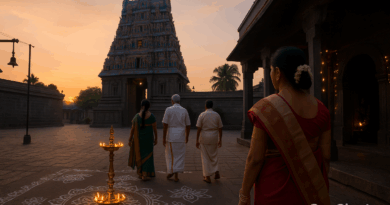
Faridabad sits where the Aravallis meet the bustle of the NCR. Mornings begin with aarti bells from neighbourhood mandirs in Old Faridabad and Sector 15, langar steam rises by noon in NIT lanes, and by evening the violet-line metro hums pilgrims and families toward Surajkund, Badhkal Mor, and Ballabhgarh. People here are straightforward and warm—quick to offer water, quick to point you in the right direction, and quick to remind you not to rush a ritual. First-timers sometimes misread the pace (festive days can get hectic) or the rules (head covering, footwear, photo etiquette). This guide keeps it simple, Indian-first, and local.
🪔 Why This Culture Guide Works for Faridabad
What locals and visitors usually need:
-
Clarity on when to go. Aarti windows, iftar time-bands, midnight mass, qawwali evenings—all vary by season and event.
-
How to behave without fuss. Footwear rules, head covers, prasad handling, and “phone-nahi-please” moments.
-
Crowd sense. Where to stand during processions, which gates to try, when to avoid the 18:00–20:00 rush.
-
Seasonal comfort. April–June heat, monsoon puddles in NIT and Ballabhgarh pockets, Dec–Jan smog and chill.
-
Scripts to ask politely. Small lines that save time: “Queue kahan se shuru hoti hai?” and “Photography allowed hai?”
Here you’ll find month-wise highlights, etiquette by tradition (temple • gurdwara • dargah/mosque • church • ghats/mukti-dham), micro-scripts in Hindi/English, and NCR-specific transport tips: the Violet Line to Old Faridabad/Neelam Chowk Ajronda/Bata Chowk/Ballabhgarh, plus e-rickshaw last-mile to Surajkund and Badhkal Mor. When timings are fluid, we’ll say so—and nudge you to check the temple trust’s noticeboard/app or city police advisories on event days.
🪔 Festival Calendar: What Happens When (Jan–Dec)
City Highlights Month by Month
January
-
Lohri & Makar Sankranti: Park-side bonfires in Sector 16 and SGM Nagar lanes; til-gur exchanges, simple aarti at home-altar shrines.
-
Republic Day community events: Flag-hoistings in school grounds near NIT 3 and Sector 21C; cultural programs with ragini and folk steps.
February
-
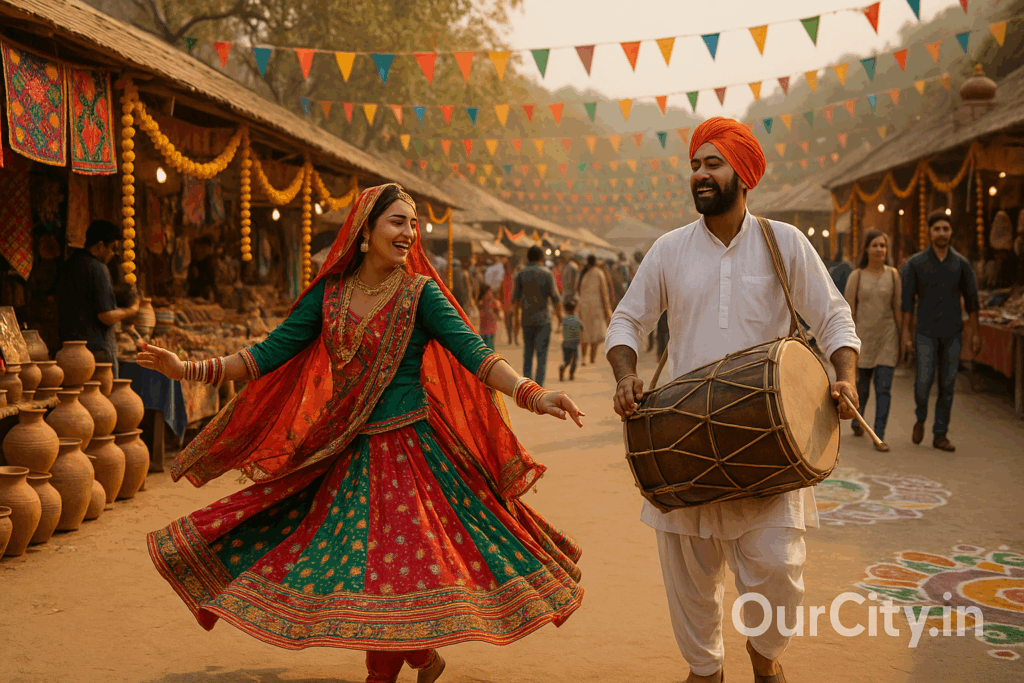
Surajkund International Crafts Mela (Surajkund, near Charmwood Village): The city’s cultural heartbeat—state pavilions, handlooms, folk dance, evening performances. Crowds swell on weekends; plan weekday visits or reach early.
-
Basant Panchami: Yellow attire, Saraswati puja in coaching hubs around Neelam Chowk Ajronda.
March
-
Maha Shivratri: Pre-dawn queues at neighbourhood Shiv mandirs around Old Faridabad and Ballabhgarh. Keep offerings simple (bel-patra, milk), avoid loud barging.
-
Holi (Phag): Colony celebrations in Greenfield Colony, Sector 28, and Neharpar (Greater Faridabad) parks. Smear, don’t shove. Protect phones and respect those opting out.
April
-
Ram Navami & Chaitra Navratri: Light aarti, bhajans in Sector 15/16 temples; many choose satvik meals.
-
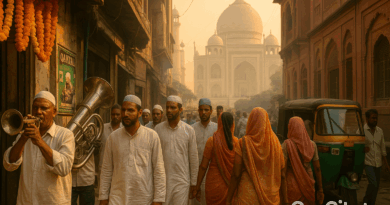
Ramzan begins: Iftar stalls pop up near Old Faridabad chowks and Ballabhgarh bazaar—fruit chaat, dates, sharbat. Keep pathways clear at maghrib.
May
-
Eid-ul-Fitr: Morning namaz (be discreet around mosque zones in NIT and Ballabhgarh). Sweet exchanges, sevaiyan. Dress modest, carry a scarf.
-
Community fairs: Small melas in school grounds; evening nautanki/ragini stages.
June
-
Ganga Dussehra/Jyestha rituals: Some families do simple puja at home; water-wise offerings encouraged.
-
Heat is real. Many events shift to pre-dawn or post-sunset.
July–August
-
Sawan Mondays: Long but orderly lines at Shiva temples; carry socks for hot floors.
-
Muharram: Tazias in select neighbourhoods around Ballabhgarh and Old Faridabad lanes—silent respect, give way.
-
Raksha Bandhan & Janmashtami: Midnight aarti in ISKCON-style mandirs around Sector 37/Charmwood; reach by 21:00 to settle.
September–October
-
Ganesh Chaturthi: Society-level installs in Neharpar and Sector clusters; visarjan in managed tanks (eco-friendly idols encouraged).
-
Navratri & Durga Puja: Garba nights in Sector 21C club grounds; Bengali pujas in Sector 15/28—bhog queues from 12:30–14:30.
-
Dussehra: Ravan effigy burning at big grounds (Sector 12 Town Park side/NIT fields). Barricades go up; keep exit plan.
October–November
-
Milad-un-Nabi (Rabi’ al-awwal): Processions in select pockets; traffic diversions likely.
-
Karva Chauth & Diwali: Diyas and rangoli in every lane—shop clusters glow on Mathura Road, Ajronda, and Badhkal Mor markets. Firecracker rules change year to year—check advisories.
December
-
Guru Nanak Gurpurab (date varies by lunar calendar): Nagar kirtan routes near NIT and Sector belts; langar service—join pangat, sit cross-legged.
-
Christmas & New Year: Midnight mass in churches across Greenfield Colony/Old Faridabad areas. Dress warm, speak soft.
Where to Go & When to Arrive (Time Cues)
-
Morning aarti (daily): Many neighbourhood mandirs begin 05:30–06:00 in summer, 06:00–06:30 in winter. On big days, reach by 05:45.
-
Evening aarti: Usually sunset to 20:00 slots; for crowd-prone days avoid 18:00–20:00.
-
Iftar: During Ramzan, find iftar stalls 10–15 min before maghrib; step aside after azan—avoid crowding.
-
Midnight mass/Janmashtami: Plan to arrive 90–120 min early for seating; carry shawl in Dec–Jan.
-
Surajkund Mela: Weekdays 10:00–13:00 and 16:00–18:00 are gentler; weekends surge 12:00–17:00.
Family-, Senior-, and Child-Friendly Tips
-
Viewing pockets: Edges of grounds near barricades—Sector 12 Town Park periphery, NIT school fields, Raja Nahar Singh Mahal lawns (Ballabhgarh) during cultural evenings.
-
Seniors: Choose pre-dawn or post-late-evening darshan; avoid peak heat; use metro lifts at NHPC Chowk/Old Faridabad.
-
Kids: Ear protection helps during dhol-tasha; identify a simple meet-up point (“Gate ke saamne paani ka stall”). Write a phone number on a small slip in a pocket.
Locals say… “Surajkund weekdays, subah 10 baje—sabse sukoon.”
🪔 Sacred Spaces Etiquette (Temples • Gurdwaras • Dargahs/Mosques • Churches • Ghats)
Faridabad’s sacred map is mixed: small family temples across Sector 15/16/28, aarti-rich shrines in Old Faridabad alleys, gurdwaras in NIT belts with generous langar, dargahs and mosques dotted near Ballabhgarh bazaars, and quiet churches in Greenfield Colony and Sector 28. Rules are simple and similar across NCR: dress modestly, move with the line, and keep phones discreet.
What to Wear & Carry
-
Dress code: Covered shoulders/knees; light cottons in heat; shawl/dupatta for head cover; easy slip-on footwear.
-
Carry list: Small scarf, socks (hot/parched floors), refillable water bottle, handkerchief, wet wipes, tiny cloth bag for offerings.
-
Accessibility: Many places have a few steps; ramps are improving but uneven. Call or check noticeboards for wheelchair access. Quieter slots: post-aarti and pre-closing windows on regular days.
Offerings/Prasad/Chadar: Ranges & Rules
-
Flowers: ₹20–100 (marigold/rose malas near Old Faridabad, Ballabhgarh chowks).
-
Prasad boxes: ₹20–60 (usually pedas/laddoos); accept with right hand, step to the side, and share mindfully.
-
Chadar at dargahs: ₹200–600; offer calmly, don’t drag cloth; keep phone away.
-
Oil/ghee packs: ₹50–200; ask where to place (“deepak kahan jal raha hai?”).
-
Candles/church offerings: ₹10–30; stand aside after lighting.
-
Daan/Hundi: Give with right hand; don’t flash notes. Many places now have UPI/QR boxes—quick and clean. Keep small notes for line flow.
Eco-note: Prefer bio-safe flowers, clay diyas, and cloth bags. Avoid plastic trays and glitter items.
Photography & Phone Etiquette
-
Rule of thumb: If flames or aarti thalis are moving, keep phones down. Never raise your arm across someone’s darshan.
-
No-photo zones: Cremation grounds (mukti-dham), during namaz, during private prayer/confession, and sensitive rites.
-
Ask first: Especially at dargahs and smaller mandirs. Some allow non-flash pictures at the periphery—never of faces without consent.
Ask Politely (Ready Scripts)
-
“Photography allowed hai?”
-
“Queue kahan se shuru hoti hai?”
-
“Darshan token yahin milta hai?”
-
“Head cover kahaan milega?”
-
“Langar kahaan serve ho raha hai? Main seva kar sakta/sakti hoon?”
-
“Maaf kijiye, photo allowed nahi hai to main phone band kar deta/deti hoon.”
🪔 Processions, Melas & Community Events
From nagar kirtan routes in NIT lanes to Dussehra grounds near Sector 12 and the Kartik cultural evenings around Ballabhgarh’s Raja Nahar Singh Mahal, Faridabad likes community gatherings you can actually see—if you stand right.
Safe Viewing Spots & Exit Plans
-
Where to stand: Edges near barricades; avoid center chokepoints at Neelam Chowk Ajronda and Badhkal Mor.
-
Keep exits clear: Don’t block lane mouths or ambulance paths.
-
Children & elders: Choose side stands near tea stalls or water counters (visible landmarks). Fix a meet-up script: “Bichhad gaye to paani wale stall ke paas milte hain.”
Transport Diversions & Crowd Windows
-
Metro first choice: Violet Line to NHPC Chowk, Mewla Maharajpur, Sarai, Badkhal Mor, Old Faridabad, Neelam Chowk Ajronda, Bata Chowk, Escorts Mujesar, Raja Nahar Singh (Ballabhgarh).
-
First/last-mile: E-rickshaws at gates, shared autos along Mathura Road; carry change (₹10–50).
-
Surges to avoid: 18:00–20:00 (office return + aarti crowds), and weekend 12:00–17:00 at fairs.
-
Advisories: On mela/procession days, police/municipal advisories may restrict sound/fireworks/traffic. Check the day’s notice.
If You Get Separated (Meet-up Scripts)
-
“Main Neelam Chowk wale gate ke bahar hoon. Aap kidhar ho?”
-
“Phone nahin lag raha—5 min mein Badhkal Mor metro ke Entry 2 par milte hain.”
-
“Baccha ro raha hai—Gate pe milte hi paani pilate hain.”
🪔 Seva, Daan & Doing Your Bit
Simple Ways to Volunteer
-
Shoe-rack help: Temples and gurdwaras near Sector 15/NIT always need a hand.
-
Langar service: Ask “Langar kahaan chal raha hai? Main seva kar sakta/sakti hoon?” Sit in pangat, serve with both hands, don’t waste food.
-
Queue management: Offer water cups, guide elders to shaded spots.
-
Post-event cleanups: Society-led drives after Durga Puja/Diwali—bring gloves and cloth bags.
Hygiene & Clean-up Etiquette
-
Wash hands before prasad/serving.
-
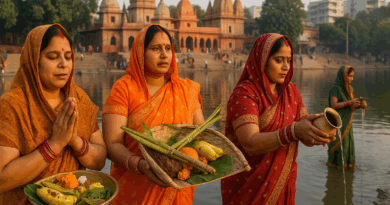
Use bins; don’t throw flowers/coins in water bodies.
-
Keep a spare cloth bag for “take-back” offerings you can compost at home.
Digital UPI vs Cash (When & How)
-
UPI/QR boxes: Quick for hundi/daan; keep a ₹10–₹50 float for small trays, e-rickshaw rides, and parking.
-
Privacy: Avoid displaying large amounts of cash; do bigger donations quietly via digital channels if offered by the trust.
🪔 Arts, Crafts, Music & Dance of Faridabad
Faridabad’s big cultural stage is Surajkund—you’ll hear ragini and haryanvi folk in the afternoons, then pan-Indian troupes in the evening. Across the city, you’ll spot seasonal diya makers near Old Faridabad, embroidered dupattas in Sector 28 markets, and home décor stalls that bridge Haryana’s and NCR’s tastes.
What to See Live (Rehearsals, Sabhas, Baithaks)
-
Surajkund Mela evenings: Folk dance, dhol, and baithaks—reach by 18:00 for decent seating.
-
Community sabhas: Garba rehearsals in Sector 21C club lawns during Navratri; school stages in NIT arenas around Dussehra.
-
Temple bhajan sandhya: Look for posters near Ajronda/Old Faridabad mandir gates.
Ethical Souvenir Buying (Quick Tests & GI Mentions)
-
Ask the maker: “Ye handmade hai? Kaun banata hai?”
-
Check finish: Handmade shows tiny variations; mass-produce is too uniform.
-
Prefer GI/story-rich crafts: Panipat home textiles (nearby state craft), blue pottery (guest state), bamboo/cane (Northeast stalls) often appear at Surajkund.
-
Pay fair: Bargain gently; don’t undercut artisans. Buy fewer, better.
Locals say… “Surajkund pe artisan se seedha lo—baat karoge to kaam ka pyaar samajh aayega.”
🪔 Language, Greetings & Everyday Manners
Local Phrases (Transliteration + Script)
-
Namaste/Namaskar (नमस्ते/नमस्कार), Pranam (प्रणाम) – temples, elders.
-
Sat Sri Akal (ਸਤਿ ਸ੍ਰੀ ਅਕਾਲ) – gurdwaras/Sikh households.
-
Adaab (अदाब) – Urdu/formal greeting around dargahs/mosques.
-
Shukriya/Dhanyavaad (शुक्रिया/धन्यवाद) – thanks.
-
“Line kidhar ban rahi hai?” – saves time and tempers.
Right-Hand Giving, Thresholds, Sacred Trees/Animals
-
Offer/receive with the right hand (or both).
-
Don’t step on thresholds or touch idols/murtis.
-
Treat peepal/neem trees and animals around shrines with respect; don’t feed aggressively in traffic.
What Not to Do (Short List)
-
Don’t push during aarti.
-
Don’t raise phones over people’s heads.
-
Don’t argue with volunteers.
-
Don’t climb on vehicles/shrines/statues.
-
No drones around processions or sacred zones.
🪔 Seasonal Playbooks (Heat • Monsoon • Winter/Smog • Peak Festive)
What Changes, What to Pack, When to Go
Summer (Apr–Jun, 38–45 °C):
-
Targets: earliest darshan (pre-07:00) and post-sunset slots.
-
Pack: ORS sachets, cap/scarf, socks for hot floors, compact umbrella for harsh sun.
-
Note: Many open-air rituals shorten midday windows.
Monsoon (Jun–Sep, varies):
-
Streets near NIT blocks/Ballabhgarh can waterlog; wear non-slip footwear.
-
Carry plastic cover for offerings; prefer covered pandals.
-
Processions may shift paths—follow marshals, not the crowd.
Winter/Smog (Dec–Jan):
-
Pre-dawn aarti? Add a warm layer; consider an N95/FFP2 on smoggy mornings.
-
Visibility can drop at night—use the metro where possible.
Peak festive weeks (Navratri, Dussehra, Diwali, Surajkund):
-
Transport: Top up metro cards in advance; plan exit gate.
-
Quiet hours: Post-lunch lull 14:30–16:30 (except Surajkund weekends).
-
Kids: Avoid cracker hours and deep-night dispersals.
Exam & job-hunt season:
-
Calm pockets: early morning corners of Sector 12 Town Park, quiet society temples in Neharpar.
-
Libraries/reading rooms near Old Faridabad and Sector 12 tend to welcome students—do a quick check on timings.
🪔 Quick Cheatsheets (Tables)
Festival Months vs Typical Timings
| Festival/Event | Typical Month(s) | Usual Time Windows |
|---|---|---|
| Lohri / Makar Sankranti | Jan | Evening bonfires 18:00–21:00 |
| Surajkund Crafts Mela | Feb | 10:00–20:00 (weekends busier) |
| Maha Shivratri | Feb/Mar | Pre-dawn to 07:30, evening aarti |
| Holi (Phag) | Mar | 10:00–14:00 colony play |
| Ramzan Iftar | Shifts (Apr/May) | 10–15 min before maghrib |
| Eid-ul-Fitr | Apr/May | Early morning namaz |
| Sawan Mondays | Jul–Aug | Pre-dawn lines, evening aarti |
| Janmashtami | Aug/Sep | Midnight aarti (arrive early) |
| Ganeshotsav | Sep | Evening aarti; visarjan day varies |
| Navratri & Durga Puja | Sep/Oct | Garba nights 19:00–22:00; bhog noon |
| Dussehra | Sep/Oct | Effigy burning 19:00–21:00 |
| Diwali | Oct/Nov | Evening puja 18:30–20:30 |
| Gurpurab (Guru Nanak) | Nov/Dec | Nagar kirtan day-time; kirtan all day |
| Christmas/New Year | Dec | Midnight mass 23:00–00:30 |
(Timings vary by year; check official noticeboards/apps.)
Etiquette by Place of Worship
| Place | Footwear | Head Cover | Offerings | Phone/Photo |
|---|---|---|---|---|
| Temple | Keep at shoe rack | Optional (carry dupatta) | Flowers, prasad, ghee | Very discreet; no aarti blocking |
| Gurdwara | Jora ghar (shoe room) | Mandatory (scarf/patka) | Karah prasad; seva | Avoid photos inside hall; ask |
| Dargah/Mosque | Outside | Recommended (scarf/cap) | Chadar, flowers | Discreet; avoid during namaz |
| Church | Outside if asked | Optional | Candles, donations | No flash; silence during mass |
| Ghats/Mukti-dham | Outside | Not needed | Flowers, arghya | No photography |
Offering/Donation Ranges (₹)
| Item | Typical Range |
|---|---|
| Flowers | ₹20–100 |
| Prasad box | ₹20–60 |
| Chadar | ₹200–600 |
| Oil/Ghee pack | ₹50–200 |
| Candle | ₹10–30 |
| Daan/Hundi | As per wish; keep small notes handy |
Quiet-Hour Windows & Crowd Surges
| Slot | Typical Window | Notes |
|---|---|---|
| Quiet morning | 06:30–07:30 (non-festival) | Pleasant in Sector 15/28 mandirs |
| Midday lull | 14:30–16:30 (weekdays) | Useful at Surajkund (non-weekend) |
| Evening surge | 18:00–20:00 | Office+darshan overlap |
| Late-night calm | After 21:00 | Safer to use metro/app cabs |
🪔 FAQs (Real Questions, Short Answers)
1) What should I wear for temple/gurdwara visits in Faridabad?
Light cottons, covered shoulders/knees, easy footwear. Carry a small scarf; mandatory in gurdwaras.
2) Are phones allowed during aarti?
Keep them down. If in doubt, ask “Photography allowed hai?” Never raise your phone over people.
3) How early should I reach for Janmashtami midnight aarti?
Arrive 90–120 min early for seating, especially around Sector 37/Charmwood mandirs.
4) Where can I experience langar?
Neighbourhood gurdwaras across NIT, Sector 15/16, and Ballabhgarh. Ask politely: “Langar kahaan serve ho raha hai?”
5) What are safe spots for Dussehra effigy burning?
Edges near barricades at big grounds (e.g., Sector 12 Town Park side, NIT fields). Keep exits clear.
6) Can I take photos at dargahs?
Maybe at the periphery; avoid during namaz and sensitive moments. Always ask.
7) How do I use the metro for festivals?
Take the Violet Line to Old Faridabad, Neelam Chowk Ajronda, Bata Chowk, Badhkal Mor, or Raja Nahar Singh (Ballabhgarh). E-rickshaws cover last-mile.
8) Are there eco-friendly idol options for Ganeshotsav?
Yes—many society pandals in Neharpar and Sector clusters use clay idols and managed tanks. Prefer those.
9) What’s a polite way to refuse extra prasad/food?
“Dhanyavaad, main line mein hoon—baad mein le loonga/loongi.” or “Bas itna kaafi hai.”
10) Is it okay to give cash to street performers near melas?
Yes, small notes (₹10–₹50) are fine. Avoid blocking pathways.
11) Where do iftar stalls pop up?
Around Old Faridabad and Ballabhgarh markets. Step aside at azan time; greet with Adaab and a smile.
12) Any tips for solo women at late events?
Prefer metro exits with lighting (e.g., Old Faridabad, Neelam Chowk Ajronda), stick to family zones, use app cabs for late rides.
13) Can I carry flowers from home?
Yes. Keep them in a cloth bag; avoid plastic wraps.
14) Are drones allowed at processions?
No. City advisories typically restrict them near crowds and sacred spaces.
15) Where can kids see crafts being made?
Surajkund stalls often demonstrate weaving, pottery, and carving—weekday mornings are best.
🪔 Wrap-Up: You’ll Fit Right In
Faridabad is practical by nature. Show up on time, dress modestly, keep phones respectful, carry a small scarf and some change, and you’ll find doors opening—temple courtyards in Old Faridabad, langar halls in NIT, mela gates at Surajkund, and cultural lawns near Raja Nahar Singh Mahal. If unsure, ask—“Queue kahan se shuru hoti hai?”—and follow the volunteers. Check the temple trust’s app/noticeboard for live timings and the city police advisories on event days. Do your bit—seva at the shoe rack, a quiet cleanup after bhog, or a fair_price purchase from an artisan—and the city will feel like yours in no time.
Last insider tip: On mega days, pick the metro, arrive 30–45 min before aarti, and stand at the edges. You’ll see everything and leave peacefully—exactly how locals like it.