Bhopal Culture Guide
Table of Contents
Bhopal Traditions & Culture: Show Up Right
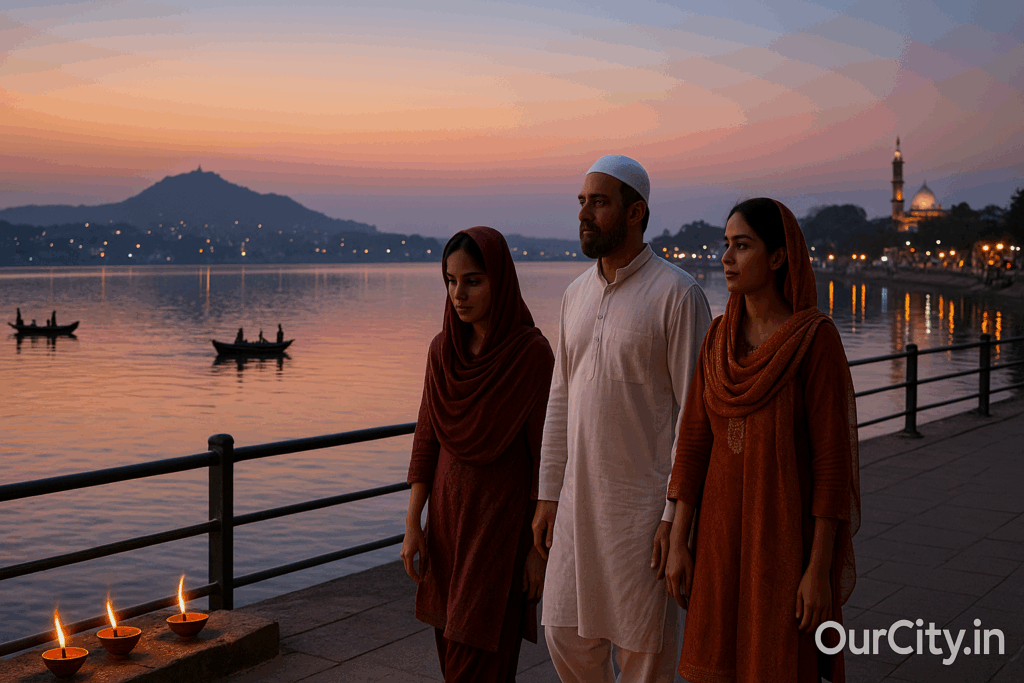
Bhopal—city of lakes, soft light on Bhojtal (Upper Lake), aazaan floating over Idgah Hills, conches from Birla Mandir, qawwali near old lanes of Ibrahimpura, and a steady rhythm of aarti, langar, iftar, and melas. Mornings feel unhurried along VIP Road; evenings gather pace around New Market, Chowk Bazaar, and Sarafa. First-timers often get two things wrong: timing and small manners. Reach five minutes late, you stand in the surge; miss a gesture, you feel out of place. This guide fixes that—plain tips, clear scripts, and the small Bhopal details that help you fit right in.
🪔 Why This Culture Guide Works for Bhopal
Bhopal’s cultural map stretches from Shyamla Hills and Kamla Park to the dense, story-filled lanes of Shahjehanabad—Peer Gate, Lakherapura, Talaiya, Itwara, and Jehangirabad. Add Bairagarh (Sant Hirdaram Nagar), Arera Colony, MP Nagar, Shahpura, Kolar Road, Koh-e-Fiza, Lalghati, Hamidia Road, TT Nagar, and the Bittan Market grounds, and you have a city where festivals spill into daily life. You need:
-
When to go: first aarti vs evening surge, iftar time-bands, langar hours, procession windows.
-
What to wear and carry: cottons, headscarf/dupatta, socks for hot floors, small cloth bag for offerings.
-
How to ask: quick Hindi/Urdu scripts locals use.
-
How to give and help: realistic ₹ ranges, seva ideas, UPI vs cash.
-
Safety without fuss: crowd pockets, exit plans, kids/elders, late-night rides.
Here’s the thing: Bhopal people are warm. A polite “Maaf kijiye” and a respectful nod go a long way.
🪔 Festival Calendar: What Happens When (Jan–Dec)
City Highlights Month by Month
January
-
Makar Sankranti (14 Jan): Kites on breezy terraces in Arera Colony, Shahpura, and Bairagarh; til-gur mithai in Sarafa. Reach lakeside (VIP Road) by 16:30 for sunset skies.
-
Lokrang (around Republic Day): Folk arts near Ravindra Bhavan/Shyamla Hills; cultural evenings feel family-friendly.
February
-
Magh/Maha Shivratri: Early darshan at Bhojpur Shiv Mandir (on the outskirts; plan a half-day). In city, lines build post-07:00 at Lakshmi Narayan/Birla Mandir (Arera Hills).
-
Sufi/Qawwali evenings: Smaller mehfils around old city lanes—ask discreetly near Peer Gate or Ibrahimpura.
March
-
Holi/Dhulendi: Housing colonies in Arera Colony, MP Nagar, and Kolar Road keep it friendly. Avoid sensitive lanes near midday in the densest mohallas (go early, 08:00–10:00).
-
Cheti Chand (Sindhi New Year): Bairagarh (Sant Hirdaram Nagar) hosts processions and satsang; respectful viewing from the edges.
April
-
Ram Navami/Hanuman Jayanti: Morning aarti; reach temples by 05:45–06:15.
-
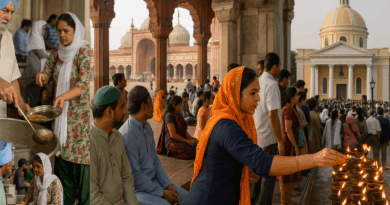
Ramzan begins (varies): Old city iftar buzz around Ibrahimpura, Lakherapura, Itwara, and near Moti Masjid. Window 18:30–19:30 (sham ki roshni) is peak; observe quietly, avoid blocking paths.
May
-
Ramzan & Eid al-Fitr: Iftar lines at sunset; Eid namaz crowds near Idgah Hills and large mosques. Dress modest, head cover handy, arrive early or avoid the immediate post-namaz surge.
June
-
Ganga Dussehra/Jyestha rituals: Smaller temple crowds; carry socks for sun-heated stone floors (Shahpura/Kolar side temples).
-
Monsoon may arrive: Prefer covered pandals and paved routes.
July
-
Ashadhi Ekadashi/Chaturmas begins: Bhajan/kirtan in colony mandirs. Jain upvaas and prarthana at Manua Bhan Tekri (Jain tekri on Diwali–Kartik calendar too).
August
-
Muharram (10th day, tazia): Processions through Itwara, Jinsi, and Peer Gate—watch respectfully from barricaded edges; no photography of faces during matam.
-
Independence Day: Cultural flag hoists in schools/colleges; check neighborhood notices.
-
Raksha Bandhan/Janmashtami: Late-evening matki-phod in New Market/TT Nagar pockets—arrive 19:00, avoid 20:00–21:00 crush.
September
-
Ganeshotsav: Colony mandals in Arera Colony, MP Nagar, and Bairagarh; visarjan evenings see lake-side traffic diversions (VIP Road). Best viewing 16:30–18:00 before peak.
-
Shraddh/Pitru Paksha: Quiet ghats; maintain distance from rites near Shahpura Lake banks.
October
-
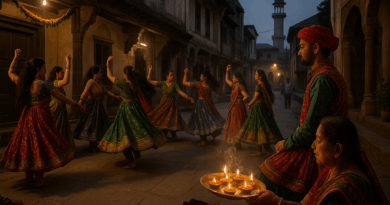
Navratri & Garba/Dandiya: Community grounds at Bittan Market/TT Nagar; family slots early (19:00–20:00), youth peak 21:00–23:00.
-
Dussehra: Ravan Dahan at big maidans; arrive 60–90 min early for seating, park beyond inner cordons.
-
Milad-un-Nabi (varies): Processional routes in old city; check police/municipal advisories day-of.
November
-
Diwali: Diyas along VIP Road, Kamla Park, and colony courtyards; eco-friendly deepdan at lakesides (avoid crowd push 18:00–20:00).
-
Chhath Puja: Devotees at Shahpura Lake and along Bhojtal—keep far from water line, arrive pre-dawn (05:00–05:45) for sunrise arghya.
-
Aalmi Tablighi Ijtima (annual, late Nov–Dec window): Held on large grounds near the city outskirts; extremely large congregations—use arranged shuttles when available; women usually have separate spaces—follow volunteers’ guidance.
December
-
Christmas: Midnight mass at churches in Arera Colony/TT Nagar side; modest attire, quiet entry.
-
New Year’s Eve: Family evening near Boat Club Road/Van Vihar gate area—leave by 22:30 if you want lighter traffic.
Locals say… “Reach before sunrise; the ghat feels gentler.”
Locals also say… “Evening aarti? Come five minutes early or watch from the side.”
Where to Go & When to Arrive (Time Cues)
-
First aarti slots: 05:45–07:15 (temples like Birla Mandir).
-
Evening aarti: 18:30–19:30; avoid filming with raised phones.
-
Iftar: Sunset band; stand aside to keep lanes open, greet with a soft “Ramzan mubarak/ईद मुबारक in advance.”
-
Langar at gurdwaras (Bairagarh, Hamidia Road side): Often 11:30–14:30 and 19:30–21:00—ask sewadars on site.
-
Processions: Peak 18:00–21:00; for kids/elders, catch the lineup start, then exit.
(If timings are critical, check the temple trust’s official noticeboard/app, gurdwara announcements, mosque timetable, or church bulletin for the day.)
Family-, Senior-, and Child-Friendly Tips
-
Viewing pockets: VIP Road (wider promenade), Shahpura Lake park edge, Bittan Market peripheries, and Shyamla Hills lawns.
-
Elders: Take a folding stick seat if standing is tough; ask volunteers, “Senior ke liye baithne ki jagah milegi?”
-
Kids: Write a guardian phone number on a small paper tucked into pocket; set a meet-up point (“milte hain Kamla Park gate par”).
-
Mobility: Prefer morning darshan; use app cabs for door-to-door when returning late.
🪔 Sacred Spaces Etiquette (Temples • Gurdwaras • Dargahs/Mosques • Churches • Ghats)
Bhopal’s sacred map includes Lakshmi Narayan/Birla Mandir (Arera Hills), Manua Bhan Tekri (Jain), old-city temples around Chowk Bazaar, mosques like Taj-ul-Masajid, Moti Masjid, hilltop Idgah, gurdwaras in Bairagarh and near Hamidia Road, and churches across Arera Colony/TT Nagar pockets. Add riverside-style ghats adapted along Bhojtal and Shahpura Lake.
Temples
-
Footwear: Use shoe racks; keep token if issued.
-
Attire: Shoulders/knees covered; dupatta/shawl useful.
-
Queues: Token or standard line—ask: “Queue kahan se shuru hoti hai? (क्यू कहाँ से शुरू होती है?)”
-
Prasad: Receive with right hand, step aside to eat/share.
-
Aarti: Hands over flame (not too close), no pushing, no raised phones; keep kids on the side.
-
Abhishek: If open to public, mornings; carry a small towel.
Gurdwaras
-
Head cover: Mandatory; scarves usually available. Ask: “Head cover kahaan milega? (हेड कवर कहाँ मिलेगा?)”
-
Shoes: Leave in jora ghar (shoe area); wash hands.
-
Karah prasad: Receive with both hands, don’t waste.
-
Langar: Sit in pangat (row), eat calmly, return thali; offer seva—“Langar kahaan serve ho raha hai? Main seva kar sakta/sakti hoon?”
Dargahs & Mosques
-
Head cover: Men cap, women scarf; modest dress.
-
Chadar/flowers: Keep it simple; follow the line.
-
Namaz times: Be discreet, keep passage clear; avoid photography.
-
Qawwali: Lovely, but stay unobtrusive; clap softly if others do.
Churches
-
Silence: Put phone on silent.
-
Cues: Stand/sit/kneel by following the congregation; don’t block aisles.
-
Mass times: Sundays mornings/evenings; reach 10–15 min early.
River Ghats/Cremation Grounds
-
Distance & respect: No photography of rites, speak softly.
-
Footing: Steps may be wet; hold railings.
-
Donations: Use designated boxes.
What to Wear & Carry
-
Wear: Light cottons in heat; shawl/dupatta; easy-off footwear; a spare pair of socks for hot stone floors.
-
Carry: Small scarf, refillable bottle, handkerchief, wet wipes, a tiny cloth bag for offerings, ORS in summer, compact umbrella in monsoon.
-
Avoid: Flashy jewelry, jangling accessories, strong perfume (can be considered distracting).
Offerings/Prasad/Chadar: Ranges & Rules
-
Flowers/garlands: ₹20–100 (marigold/rose near temple gates in Lakherapura, Arera side).
-
Prasad boxes: ₹20–60 (laddoo, peda).
-
Oil/ghee packs/diya: ₹10–200 depending on size.
-
Chadar at dargah: ₹200–600 for simple cotton; share the sheet with family to reduce waste.
-
Candles at churches: ₹10–30 each.
Daan/Hundi etiquette: Give with right hand; avoid waving cash. UPI boxes common—scan quietly. Keep small notes (₹10–₹50) for quick flow.
Photography & Phone Etiquette
-
Always ask first: “Photography allowed hai? (फोटोग्राफी अलLOWED है?)”
-
Avoid faces during sensitive rites; no drone use near processions or sacred zones.
-
Put phone on silent; if a volunteer says “Nahin beta,” just smile and comply.
Ask Politely (Ready Scripts)
-
“Queue kahan se shuru hoti hai?” / “क्यू कहाँ से शुरू होती है?”
-
“Darshan token yahin milta hai?” / “दर्शन टोकन यहीं मिलता है?”
-
“Head cover kahaan milega?” / “हेड कवर कहाँ मिलेगा?”
-
“Photography allowed hai?” / “फोटोग्राफी अलLOWED है?”
-
“Maaf kijiye, bheed zyada hai, baad mein aata/ati hoon.” / “माफ़ कीजिए, भीड़ ज़्यादा है, बाद में आता/आती हूँ।”
🪔 Processions, Melas & Community Events
Bhopal’s melas cluster around Bittan Market/TT Nagar Maidan, New Market, VIP Road, and the old-city arteries—Peer Gate, Ibrahimpura, Jinsi, Itwara, Lakherapura.
Safe Viewing Spots & Exit Plans
-
Edges of the route near barricades offer the best visibility without the crush.
-
Pre-decide exits: “VIP Road > Kamla Park stairs > Boat Club road” or “TT Nagar stadium side lane > main road > app cab.”
-
Mark a meet-up point: “Sair Sapata footbridge end,” “Bharat Bhavan gate,” or “outside Gauhar Mahal.”
-
Kids/Elders: Watch the formation start; leave before the densest crescendo (usually 19:30–20:15).
Transport Diversions & Crowd Windows
-
Expect diversions near VIP Road, Kamla Park, New Market, Hamidia Road during peak evenings.
-
Crowd windows: 18:00–20:00 heaviest; after 20:30 dispersal starts, but rides surge.
-
Use city buses/e-rickshaws in, app cabs out. Keep cash change (₹10–₹50) for quick payments at stalls.
If You Get Separated (Meet-up Scripts)
-
“Main Boat Club ke paas khada/khadi hoon. Aap kidhar hain?”
-
“Milte hain Gauhar Mahal ke main gate par 10 minute mein.”
-
For kids: teach, “Agar bhatak jao, police uncle/aunty ko bolo: ‘Mera naam ___ hai, phone number is note me.’”
🪔 Seva, Daan & Doing Your Bit
Simple Ways to Volunteer
-
Shoe-rack help at temples/gurdwaras: “Juta-sambhal seva kar sakta/sakti hoon?”
-
Langar service: Water, roti distribution, dishwashing.
-
Queue management: Stand by barricades, guide elders to the front when organizers permit.
-
Post-event cleanup: Join colony drives around Arera Colony parks, Shahpura Lake walkway, Bairagarh lanes.
Hygiene & Clean-up Etiquette
-
Carry a foldable bag for your own waste; use designated bins.
-
Prefer eco-friendly offerings; don’t toss flowers/coins into lakes.
-
Handwash before prasad/langar; finish what you take.
Digital UPI vs Cash (When & How)
-
Offerings: UPI boxes common in larger shrines; small stalls may prefer cash.
-
Stalls: Keep ₹10/₹20 notes for speed.
-
Transparency: For bigger donations, ask for a digital receipt or the trust’s QR.
🪔 Arts, Crafts, Music & Dance of Bhopal
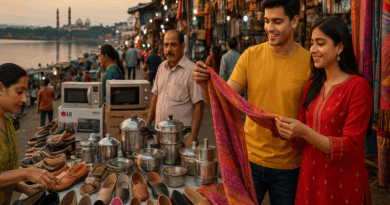
Where culture lives: Bharat Bhavan (theatre, art, baithaks), Ravindra Bhavan, MP Tribal Museum (Shyamla Hills), and open-air lawns along Kamla Park. Old lanes of Chowk Bazaar/Sarafa sell craft—zari-work purses, metal diyas, terracotta lamps.
-
Live to see: Evening baithaks at Bharat Bhavan, classical dance festivals in season, community garba on Bittan Market grounds, Sufi mehfils in the old city (ask locals discreetly).
-
Rehearsal peek-ins: Colony bhajan mandalis, dandiya practice groups in Arera/MP Nagar—watch from the side, don’t interrupt.
Ethical buying:
-
For handloom, ask the shopkeeper to explain weave vs print.
-
Check for GI mentions on regional textiles sold in Bhopal markets (e.g., Chanderi, Maheshwari, Bagh prints—all Madhya Pradesh crafts).
-
Quick tests: Irregularities = handmade charm; too-perfect repeats = likely mass print. Request a bill; prefer artisans’ stalls at government haats and museum bazaars.
Locals say… “Ask the artisan the story—if they light up, you’ve found the real thing.”
🪔 Language, Greetings & Everyday Manners
Bhopal’s dialect leans gentle—Hindi with Urdu warmth, Sindhi pockets in Bairagarh, and a citywide habit of soft address.
Local Phrases (Transliteration + Script)
-
Namaste/Pranam (नमस्ते/प्रणाम)
-
Adaab (अदाब)
-
Sat Sri Akal (सत श्री अकाल)
-
Shukriya/Dhanyavaad (शुक्रिया/धन्यवाद)
-
Maaf kijiye (माफ़ कीजिए) — Excuse me
-
Kripya line banaaye rakhein (कृपया लाइन बनाए रखें) — Please stay in line
Polite scripts:
-
“Dhanyavaad, main line mein hoon.” (Thank you, I’m already in line.)
-
“Photo allowed nahi hai to main phone band kar deta/deti hoon.”
-
“Zyada bheed hai, baad mein aata/ati hoon.”
Right-Hand Giving, Thresholds, Sacred Trees/Animals
-
Give/receive with right hand (or both hands).
-
Do not step on thresholds of shrines.
-
Do not touch idols/murtis.
-
Respect sacred trees (peepal, neem) and animals; don’t chase or feed aggressively.
What Not to Do (Short List)
-
Don’t climb vehicles/shrines/statues for a better view.
-
Don’t use drones near processions or sacred sites.
-
Don’t argue with volunteers; a calm “Theek hai, hum yahin se dekh lenge” solves it.
🪔 Seasonal Playbooks (Heat • Monsoon • Winter/Smog • Peak Festive)
Heat (Apr–Jun; 36–42 °C possible)
-
Go early: First aarti slots; finish outdoor darshan by 09:00.
-
Pack: ORS sachet, cap/scarf, sunscreen, socks for hot floors.
-
Routes: Prefer shaded sides—Shyamla Hills tree cover helps; avoid open maidan at noon.
Monsoon (Jun–Sep; showers & puddles)
-
Footwear: Non-slip sandals; keep a small plastic for offerings.
-
Waterlogging pockets: Watch around Hamidia Road, inner New Market lanes; stick to raised pavements.
-
Pandals: Choose covered, well-supported structures; avoid standing under loose flex boards.
Winter/Smog (Dec–Jan; 8–14 °C mornings)
-
Layer up for pre-dawn aarti; warm cap + shawl work well.
-
Masks: N95/FFP2 if smoke from crackers/bonfires.
-
Evenings by the lake: Chill wind on VIP Road—carry a light jacket.
Peak Festive Weeks
-
Transport: Pre-load wallet/metro-style cards if available; keep backup cash.
-
Quiet windows: 05:45–07:45 for darshan; 15:30–17:30 for set-up views without the crush.
-
Kids: Avoid 18:00–20:00 surge; carry earplugs for loud drums.
Exam & Job-Hunt Season
-
Calm pockets: Museum lawns at Shyamla Hills, lakeside benches near Kamla Park, quiet corners of Bharat Bhavan precincts (outside events).
-
Prayer breaks: Early mornings in smaller colony mandirs/gurdwaras can reset your focus.
🪔 Quick Cheatsheets (Tables)
Festival Months vs Typical Timings
| Festival/Observance | Typical Window | Best Arrival Cue |
|---|---|---|
| First temple aarti | 05:45–07:15 | Reach by 05:45 |
| Evening aarti | 18:30–19:30 | Avoid 18:45–19:15 surge |
| Iftar (Ramzan) | Sunset band | Stand aside; greet softly |
| Langar (common slots) | 11:30–14:30, 19:30–21:00 | Ask sewadars on site |
| Processions | 18:00–21:00 | Watch start; exit mid-flow |
| Dussehra Ravan Dahan | Twilight | Arrive 60–90 min early |
| Chhath (sunrise/sunset) | Kartik (Oct/Nov) | Pre-dawn 05:00–05:45 |
(Check official app/noticeboard for live timings.)
Etiquette by Place of Worship
| Place | Footwear | Head Cover | Offering | Photo |
|---|---|---|---|---|
| Temple | Off at rack | Optional shawl/dupatta | Flowers/prasad | Ask; no flash |
| Gurdwara | Off at jora ghar | Mandatory | Karah prasad; langar | Avoid inside darbar without permission |
| Dargah/Mosque | Outside | Mandatory (cap/scarf) | Chadar/flowers | Usually discouraged |
| Church | Outside threshold | Modest dress | Candles | Silent mode; no flash |
| Ghats/Cremation | N/A | Modest | Donation box | No photos of rites |
Offering/Donation Ranges (₹)
| Item | Typical Range |
|---|---|
| Flowers/garlands | ₹20–100 |
| Prasad box | ₹20–60 |
| Oil/ghee/diya | ₹10–200 |
| Chadar (simple cotton) | ₹200–600 |
| Candles (church) | ₹10–30 |
| Quick stall snacks near venues | ₹20–80 |
| Short e-rickshaw hop | ₹20–50 (context-dependent) |
Quiet-Hour Windows & Crowd Surges
| Slot | What to Expect | Tip |
|---|---|---|
| 05:45–07:00 | Calm darshan | Best for elders |
| 15:30–17:30 | Set-ups, rehearsals | Great for kids |
| 18:00–20:00 | Peak surge | Watch from edges |
| Post-20:30 | Dispersal | Book ride early |
🪔 FAQs (Real Questions, Short Answers)
1) What should I wear for temple/mosque visits?
Covered shoulders/knees. Keep a scarf/dupatta for head cover. Easy-off footwear.
2) Are phones okay during aarti/namaz/mass?
Keep on silent. Ask before clicking. No flash, no filming during sensitive moments.
3) Is photography allowed?
Sometimes. Ask, “Photography allowed hai?” If told no, put the phone away.
4) Cash or UPI for donations?
Both. Many shrines have UPI boxes. Keep small notes (₹10–₹50) for stalls and quick offerings.
5) Where do I watch processions safely with kids?
Edges near barricades—Bittan Market periphery, VIP Road stretches, corners near Gauhar Mahal. Decide an exit and meet-up point beforehand.
6) Can solo women attend late-evening events?
Yes, but use common sense: stand near families, keep exits in sight, choose app cabs over random lifts, and share live location with a friend.
7) What if I get stuck in a surge?
Don’t push back. Turn sideways, breathe, and drift toward the edge; ask a volunteer: “Exit kidhar hai?”
8) How early for first darshan?
By 05:45–06:00 on busy days (Navratri, Shivratri). For regular days, 06:15–06:45 is fine.
9) Where’s iftar good to witness respectfully?
Outer edges of Ibrahimpura, Lakherapura, Itwara—stand aside, don’t block lanes, and avoid photographing faces without consent.
10) Can I help at langar if I’m not Sikh?
Absolutely. Say, “Main seva kar sakta/sakti hoon?” Follow the sewadars.
11) Are drones allowed at Dussehra/Diwali?
No. Avoid drones around processions or sacred sites—police advisories may restrict them.
12) Where to buy authentic crafts?
Try government haats, museum bazaars, and known artisan clusters around Chowk/Sarafa. Ask for the story behind the piece.
13) What to carry for monsoon events?
Non-slip footwear, small plastic for offerings, compact umbrella, and a dry cloth.
14) What about loudspeakers and late-night noise?
City/Police advisories may cap timings and volume. Follow instructions on event days.
15) Are there quiet places to decompress after crowds?
Yes—Shyamla Hills lawns, Kamla Park benches, stretches along VIP Road (earlier in the evening), and museum grounds during non-event hours.
🪔 Wrap-Up: You’ll Fit Right In
Respect the line, keep your phone low, offer with your right hand, and smile when a volunteer guides you. Bhopal is generous—whether it’s a cup of chai near Hamidia Road, a slice of peda at Sarafa, or a spot on the Bittan Market ground for garba. Arrive a little early, stand a little aside, and let the city’s rhythm carry you.
One last insider tip: If you’re unsure, ask softly—
“Bhaiya, yahin sahi hai na?”
Nine times out of ten, someone will make space and say, “Haan, yahin theek hai.”